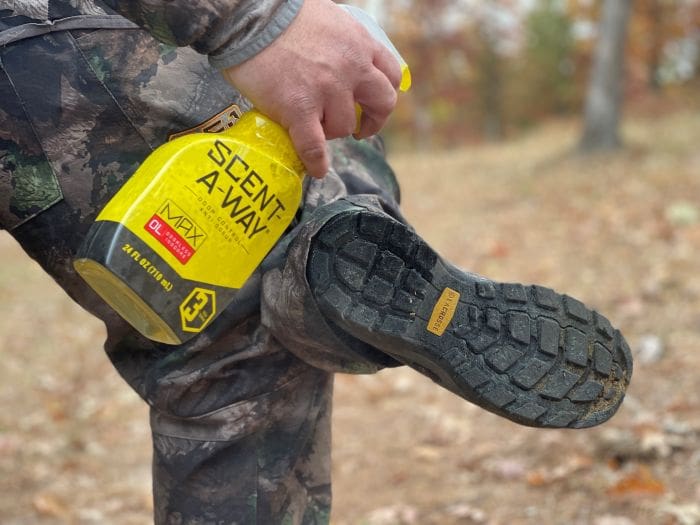
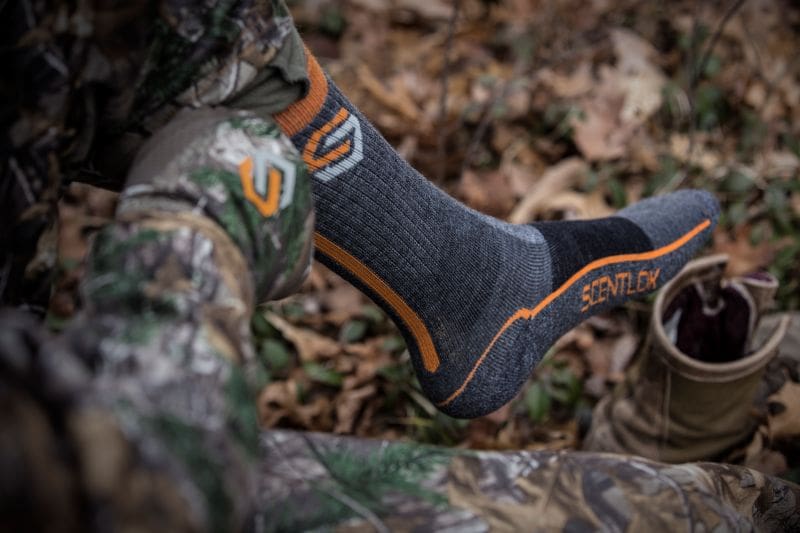
The average person takes between 4,000 and 7,000 steps each day, covering roughly two to three miles on foot. Over the course of a lifetime, that adds up to enough walking to circle the globe multiple times. Yet despite spending so much of our lives on our feet, many hunters devote far more attention to choosing a bow, rifle, or trail camera than they do to the two pieces of gear that carry them to every stand, blind, and backcountry ridge: their boots and socks.
For hunters, the demands on their feet often exceed those of everyday life. Climbing steep ridges, crossing creek bottoms, navigating rocky terrain, and sitting for hours in freezing temperatures can quickly expose weaknesses in footwear. A blister that develops on a scouting or hunting trip can end a hunt before it begins. Cold, wet feet can drain energy, concentration, and enjoyment from even the most promising day afield.
The truth is that every hunting success starts with a step. Whether you’re slipping into a tree stand before daylight, tracking a gobbler across a hardwood ridge, or packing out a deer after dark, quality boots and socks form the foundation of comfort, mobility, and endurance. Investing in the right footwear isn’t just about comfort, it’s about hunting better, longer, and more effectively.
Why Your Feet Matter More Than You Think
Deer hunting often requires covering rough terrain, climbing stands, crossing creeks, and spending hours in changing weather conditions. If your feet become uncomfortable, every aspect of the hunt suffers.
When you wear quality socks and boots, they provide better temperature regulation, moisture management, and reduced odor buildup, which is an advantage for serious deer hunters who take every precaution when it comes to human scent. Other benefits can be improved support and stability, fewer blisters and hot spots, and increased comfort during long sits.
The right combination can mean the difference between hunting until dark and heading back to the truck early. Start with the right socks. Many hunters spend hundreds of dollars on boots and then wear inexpensive cotton socks. That’s a mistake. I made this same mistake with my shoes and socks at my everyday job. Because I am required to stand on concrete floors all day and complete over 10,000 steps a day, I would buy a better quality of shoe. Yet it wasn’t until I began wearing a quality cushioned sock that my feet stopped suffering. Socks and boots are a marriage; they work better when together.
Cotton absorbs moisture and holds it against the skin. As temperatures drop, that moisture can make feet feel cold and uncomfortable. Technical hunting socks are designed to wick moisture away, regulate temperature, and reduce odor. ScentLok has a complete line of hunting socks, made for every kind of hunter.
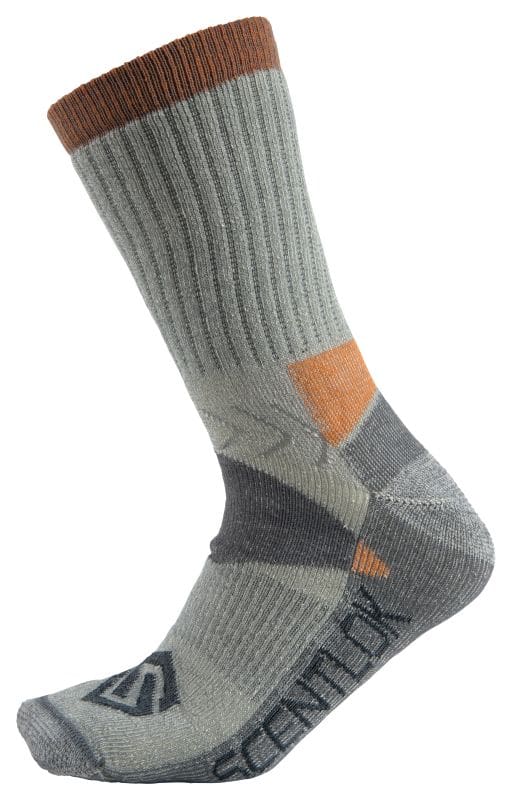
ScentLok Lightweight Socks: Early Season Performance
Early season deer hunting often means warm temperatures, long walks, and plenty of perspiration. The lightweight sock options from ScentLok are ideal for September bowhunting, warm weather scouting, long hikes to stand locations, and mobile hunting setups.
These socks help move moisture away from the skin while providing enough cushioning for all day comfort. Pair them with lightweight, breathable boots to keep feet cool during those hot afternoon hunts.
ScentLok Midweight Merino Blend Socks: The All-Around Choice
If you only own one type of hunting sock, a midweight Merino blend should be it.
These socks excel during October and November hunts with variable weather conditions, all day sits, and moderate hiking distances.
Merino wool naturally regulates temperature, resists odor, and continues to insulate even when damp. For many hunters, a midweight Merino sock becomes the go to option for the majority of the deer season.
ScentLok Heavyweight Cold-Weather Socks: Late-Season Comfort
When temperatures drop into the teens and single digits, insulation becomes critical. Heavyweight ScentLok socks provide additional cushioning and warmth for late season deer hunts, rut hunts during cold fronts, long hours in a tree stand, and other stationary hunting situations.
These socks create an insulating barrier that helps maintain warmth while still managing moisture buildup throughout the day.
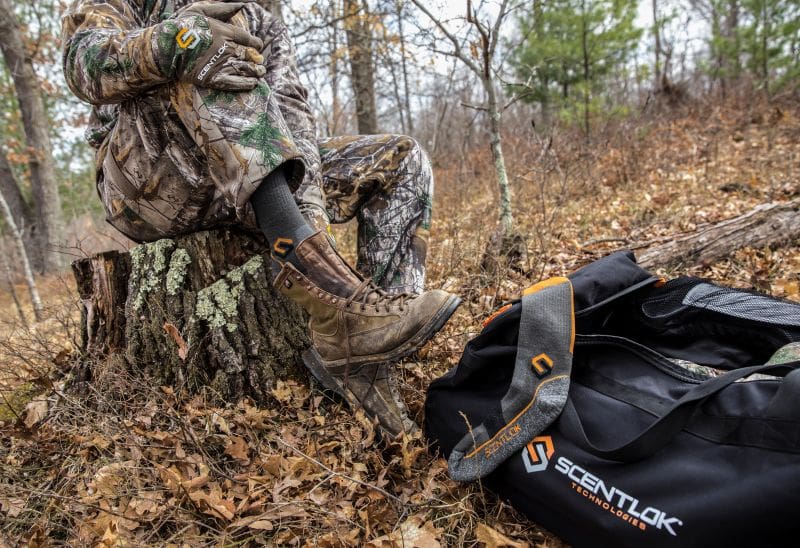
Matching the Right Boot to the Hunt
Just as one sock doesn’t fit every hunting situation, one boot will not either. Different hunting styles require different footwear. For example, today’s public land and saddle hunters often cover several miles during a hunt; lightweight hiking style hunting boots provide reduced fatigue, improved traction, better ankle support, and increased mobility. Pair these boots with lightweight or midweight ScentLok socks during early and mid-season hunts, and your feet will thank you.
Rubber boots were once the boots that turkey hunters wore during the spring. They have now become many bow hunters’ favorite boots because they are not only good for wet conditions, but they also offer added scent control when trying to get close range to a deer.
Rubber boots remain a favorite among whitetail hunters for good reason. The benefits include waterproof protection, easier scent containment, excellent performance in muddy terrain, and protection when crossing creeks and lowland areas. Matched with midweight Merino socks, rubber boots offer a versatile solution for much of deer season.
When late season temperatures plunge, insulated boots become one of the most important pieces of gear a hunter can own. Few things will end a hunt faster than cold feet. Once your feet lose warmth, comfort disappears, focus fades, and the temptation to climb down early becomes difficult to resist. Late season deer hunters should consider insulated boots with 800 to 1,600 grams of insulation, depending on expected temperatures and activity levels.
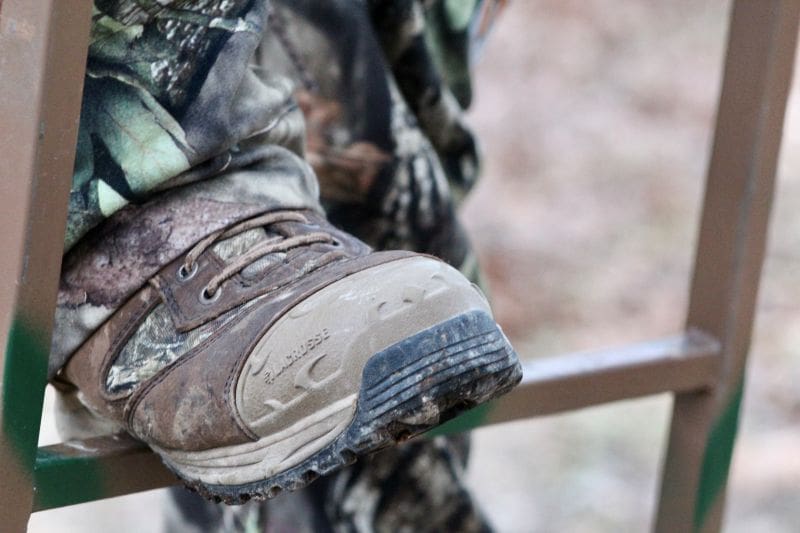
Pair these boots with heavyweight ScentLok socks when hunting in December and January, when deer are using late season food source patterns, which often require long sits during cold fronts and even snow covered conditions. The combination of quality insulation and moisture managing socks helps keep feet warm throughout those long hours in the stand.
Building the Perfect Sock-and-Boot System
Instead of viewing socks and boots as separate pieces of gear, think of them as a system. A lightweight boot paired with a heavyweight sock can create overheating problems during warm weather. Likewise, an insulated boot paired with a thin sock may not provide enough protection during frigid late season hunts.
A simple approach looks like this:
| Hunting Situation | Recommended Socks | Recommended Boots |
| Early Season | ScentLok Lightweight Socks | Lightweight Hunting Boots |
| Mid-Season | ScentLok Midweight Merino Socks | Rubber or Hiking Boots |
| Late Season | ScentLok Heavyweight Socks | Insulated Hunting Boots |
Successful deer hunting often comes down to staying comfortable enough to remain focused and hunt longer. While bows, rifles, and optics receive most of the attention, feet carry you to every stand, blind, and hunting location you’ll visit throughout the season.
Investing in quality ScentLok socks and pairing them with the right boots for the conditions can reduce fatigue, prevent blisters, manage moisture, and keep you hunting when others are heading home. This season, don’t overlook the gear at ground level. The right socks and boots may be one of the smartest investments you make for a more comfortable and ultimately a more successful deer season.