When it comes to offseason habitat improvements, food plots, mineral sites, and quality cover usually steal the spotlight. Yet one of the most overlooked enhancements, and one of the best places to hang a summer game camera, is a dependable water source. For deer, having access to reliable water can be just as important as food and cover when it comes to creating a well rounded habitat.
When summer temperatures climb, humans naturally seek relief in cool, shaded places with plenty of water nearby. Whitetail deer are no different, adjusting their behavior to find the resources they need to beat the heat. A whitetail’s need for water increases dramatically when temperatures are high and rain is scarce. For example, a mature 200 pound buck may require up to two gallons of water each day to stay hydrated. Fortunately for deer, much of that moisture comes from lush green browse, crops, and other moisture filled vegetation, meaning they may only need to drink a quart or so directly from a pond, creek, or watering hole under normal conditions. However, when temperatures soar, drought dries up natural water sources, or deer become more active, they’ll often visit water multiple times each day. For does raising fawns, the demand is even greater, as producing milk requires significant amounts of water.
Because water is one of the three necessities of life, along with food and cover, it deserves a place in every deer hunting or land management plan. Whether you’re improving a small hunting property or managing hundreds of acres, creating or maintaining a dependable watering hole can help keep deer on your property throughout the summer and into hunting season. As you continue reading, you’ll learn when and why adding a watering hole can benefit your property, how to create one effectively, and the common mistakes to avoid to ensure your investment improves both your deer herd and your hunting opportunities.
Why Watering Holes Matter
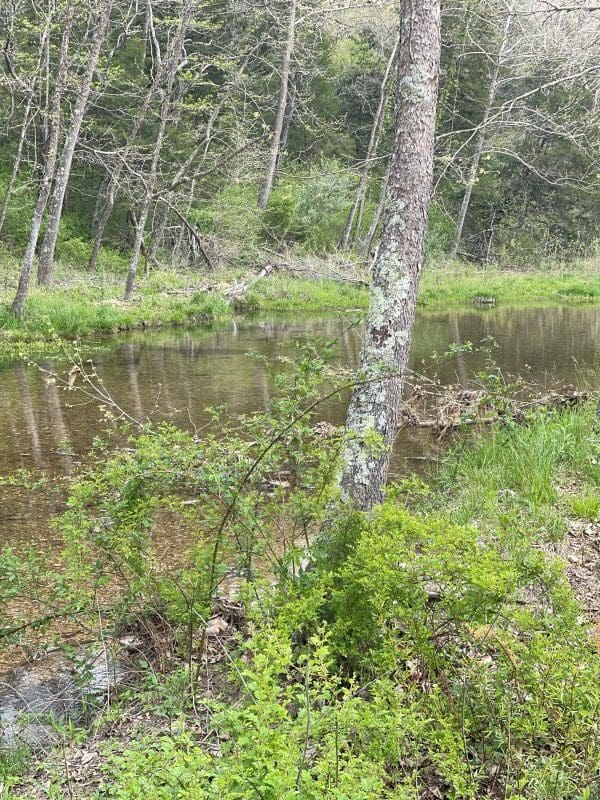
During hot weather, deer and many other animals visit reliable water sources regularly. Unlike food sources that can shift as crops mature or native vegetation changes, water remains a daily necessity. This consistency makes ponds, creeks, springs, livestock tanks, and small water holes ideal locations for finding deer and capturing trail camera photos.
In many areas, deer will often travel to water during the cooler hours of the morning and evening, especially after feeding. Bucks growing antlers require plenty of nutrition and hydration throughout the summer, while does nursing fawns also have increased water needs. Other visitors may include wild turkeys, predators, and a variety of birds, making watering holes some of the busiest spots in the woods.
On a personal note, watering holes are an essential part of my summer scouting efforts due to my home state prohibiting the use of food or minerals in much of the region. For that reason, natural hot spots such as a watering hole become one of the few spots that I can capture a lot of deer on camera, without using food as an attractant.
Choosing the Right Camera Location
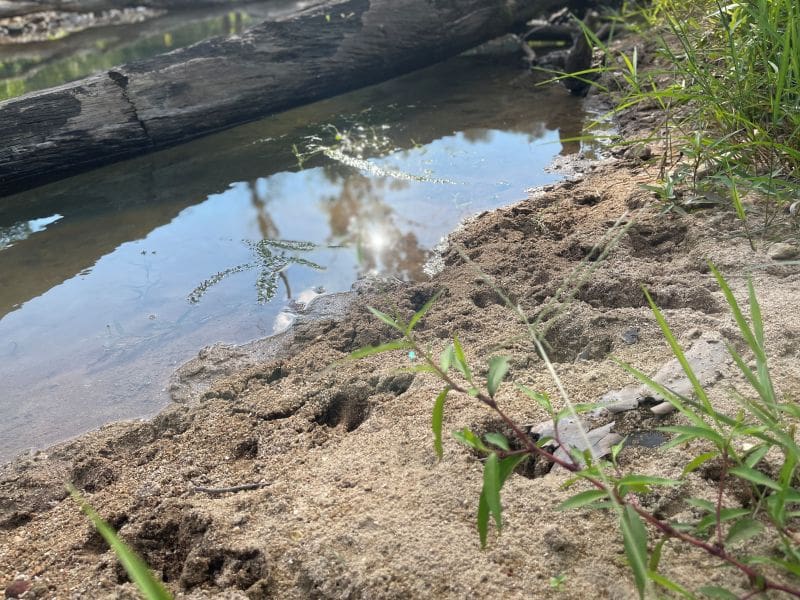
Proper camera placement is just as important as selecting the right water source. Rather than aiming your camera directly across an open pool of water, focus on areas where deer naturally enter and exit. I prefer to include the edge of the water in the frame, allowing more space to capture deer as they approach to drink. Well used trails, muddy crossings, and shaded entry points often provide better opportunities for photos and videos than the water source itself.
Mount the camera high enough to avoid tall grass and brush that could trigger false photos in the wind. If you’re like me and hunt on the same farm that cattle use, placing the camera up high prevents cows or other livestock from rubbing or damaging the camera. It is vital to consider lighting throughout the day when placing cameras. If possible, angle the camera north or south to reduce glare from the rising or setting sun. A little trimming around the camera’s field of view can also improve image quality without noticeably disturbing wildlife.
Beat the Summer Heat
Summer presents its own challenges for trail cameras. High temperatures can have the same toll on the camera as the extreme cold and reduce battery life. If using a solar panel, you want to get as much sunlight throughout the day, yet try to place the camera itself so that it gets some shade during the hottest parts of the day.
Another challenge during the summer months is growing vegetation that can quickly block a camera’s view. Trim around the camera when initially hanging it, then visit it periodically to replace batteries, clear away new growth, and check memory cards.
The hot sun can shorten battery life, and sunlight can create even more aggravation when trying to capture clear images with game cameras. If your camera receives direct afternoon sunlight, consider relocating it to a nearby shaded tree. Keeping the camera cooler may improve performance. But it also can help produce clearer images all around.
What Your Photos Can Tell You
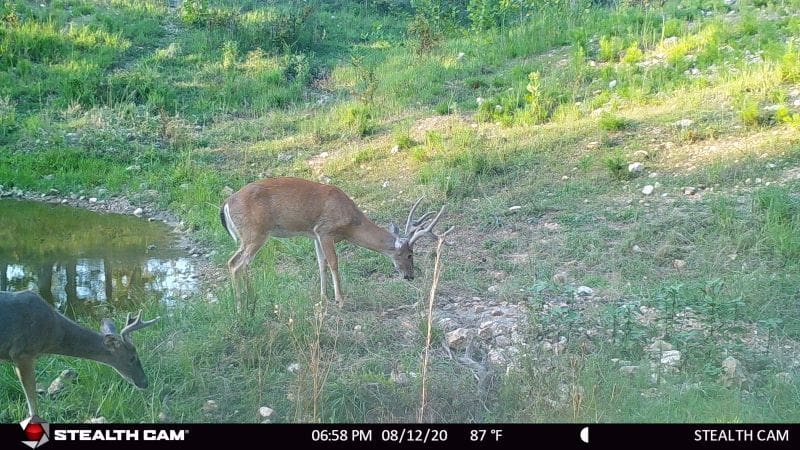
The use of summer trail cams is one of the most popular times of year for hunters for good reason. Summer pictures are about much more than collecting impressive images. They can reveal buck antler growth and development, fawn recruitment and overall herd health, daily movement patterns, wildlife diversity on the property, and predator activity around water sources.
Comparing photos throughout the summer helps establish patterns that may continue into early fall, giving hunters valuable information that can be the driving force behind a game plan before the season opens.
Minimize Disturbance
Every visit to a camera leaves behind human scent and creates disturbance. Check cameras only when necessary, preferably during the middle of the day when deer are less active. Work efficiently, wear ScentLok and clean boots if possible, and avoid lingering around the water source for too long. Thankfully, many modern cellular trail cameras reduce the need for frequent visits by sending photos directly to a phone, allowing hunters to monitor activity while leaving the area undisturbed. Clearing brush or other obstructions when hanging cameras and using solar panels to extend battery life, along with the use of cellular cameras, can help minimize human scent in the camera area.
When summer heat settles in, few places attract wildlife as consistently as dependable water. Whether your goal is preparing for hunting season or simply enjoying the wildlife that shares your property, watering holes remain one of the most reliable and rewarding places to hang a game camera during the summer months.