
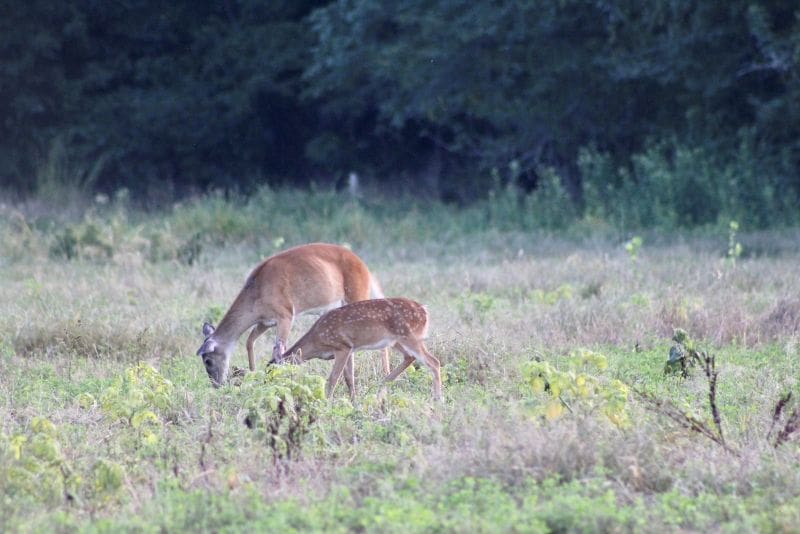
Every summer, hunters spend countless hours checking trail cameras, glassing green fields, and scouting key food sources in hopes of locating a mature buck. While much of the focus is placed on antler growth, identifying returning bucks, and discovering new deer on the property, one of the best indicators for predicting this fall’s rut is often overlooked. Long before antlers begin to take shape and emerge through the velvet, the spotted fawns appearing on trail cameras can provide valuable insight into the timing and potential strength of the upcoming rut.
Many hunters overlook fawns as simply the next generation of the herd, but they can reveal valuable information about when does were bred the previous fall. This is also why many veteran hunters vow to keep game cameras going during the early spring. Of course, you may not see many antlers, but you will see new baby fawns. That is where the plan for this season begins. Since whitetails have a remarkably consistent gestation period, aging fawns can provide a surprisingly accurate picture of last year’s breeding activity and help predict when the majority of does will come into estrus during the upcoming season.
Why Fawn Age Matters
A whitetail doe carries her fawns for approximately 200 days, with most pregnancies lasting between 198 and 202 days. Because of this consistency, estimating a fawn’s age allows hunters to work backward and determine roughly when its mother was bred.
For example:
A fawn that appears six weeks old in mid-July was likely born in early June, meaning the doe was probably bred in mid-November. A noticeably younger fawn only a couple of weeks old in July may indicate a doe that wasn’t bred until December. Larger, more developed fawns seen early in the summer often point to does that conceived during the first peak of the rut.
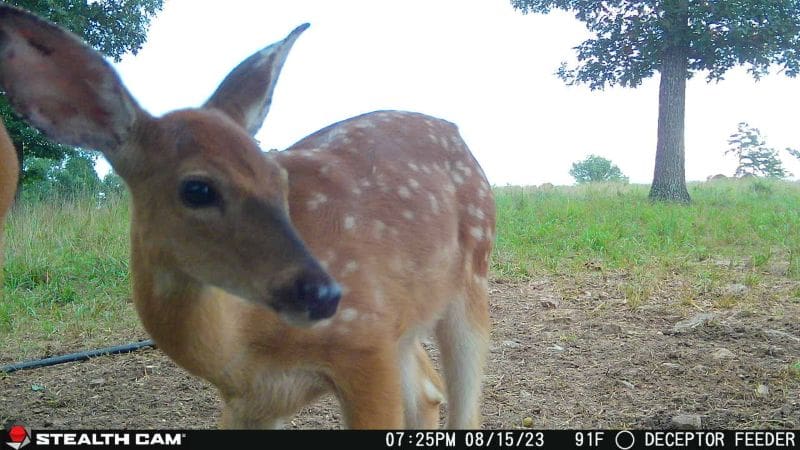
While individual fawns can vary, observing several across your hunting property helps paint a much clearer picture of the herd’s overall breeding timeline. You will notice the young fawn in the two photos provided. These photos were taken on June 4th and June 7th of this year. I estimate the fawn is four to five days old in those photos. Let’s say it was born on June 1st; if I go back 200 days, that would mean that the doe was bred on November 14th. Based on my memory, the peak of the rut and its breeding matched up with that same time frame.
How to Estimate a Fawn’s Age
Fortunately, you don’t need to handle a fawn to make a reasonable estimate. Trail cameras and binoculars can reveal several clues.
Newborn (0–2 Weeks)
These fawns spend much of their time hidden in cover. Their legs appear long and wobbly, their bodies are small, and they remain extremely dependent on their mother. The long legs and small body were the main factor in my game camera photo, which was actually a screenshot of a video that I received from my SpyPoint Game Camera. The video revealed a less than sturdy walking fawn and a small body, which made me assume it was less than a week old.
Three to Five Weeks
At this stage, fawns begin following does more regularly. They become noticeably steadier on their feet and are often seen nursing while accompanying their mothers into fields.
Six to Eight Weeks
These fawns are much more confident and active. They’ll run, play, and browse alongside does while still nursing occasionally. Their bodies become more proportional, and they begin losing their “newborn” appearance.
Two to Three Months
By late summer, older fawns have filled out considerably. They feed aggressively on vegetation, spend less time nursing, and move comfortably throughout the landscape. Personally, it is much more difficult to age fawns at this point, compared to when they are 3 weeks and under.
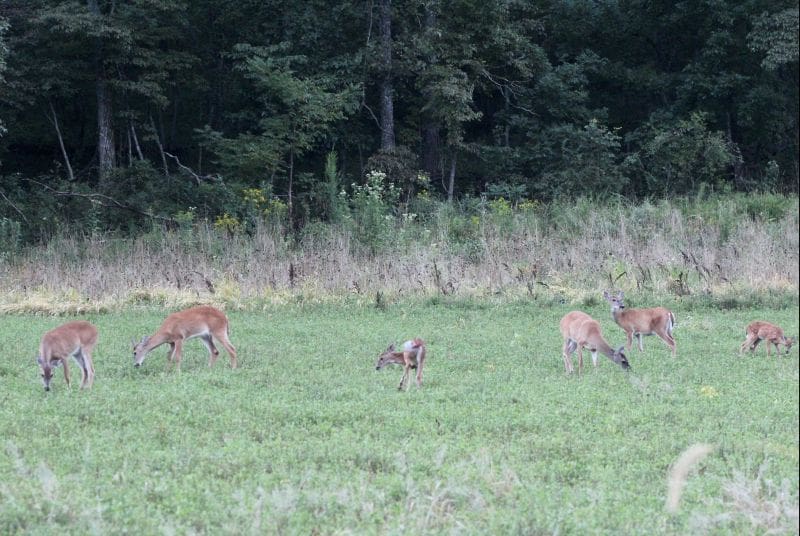
Reviewing multiple fawns captured on trail cameras can reveal that not every doe was bred during the same breeding cycle. Over the years, I have found newborn fawns while turkey hunting in late April; while on that same farm, I’ve encountered fawns that were only a few days old when hay was being cut in mid-June. This variation shows that does were being bred over an extended period, with breeding activity taking place from October through December.
What Different Aged Fawns Can Tell You
If most of your trail camera photos show similarly sized fawns, your local herd likely experienced a tight, concentrated breeding period last fall. That’s good news for hunters because it often means the rut this fall should also be fairly close to the same time.
If you’re seeing fawns of dramatically different sizes throughout the summer, breeding may have been spread across multiple estrous cycles. Several factors can contribute to this, including young does breeding later than mature does, does that weren’t successfully bred during their first estrous cycle, an unbalanced buck-to-doe ratio, and nutritional stress or poor habitat conditions in your area. A more spread out fawn crop often translates into a rut that feels longer and less intense, meaning there wasn’t a “peak rut” when hunting last fall.
Don’t Forget About Buck Fawns
Buck fawns can also provide interesting clues. Healthy buck fawns born early often enter their first winter in better physical condition than those born much later. Earlier birth dates generally allow more time for growth before cold weather arrives, giving these young bucks a stronger start. While that won’t affect this year’s rut, it’s another reminder of how important breeding timing is to the overall health of the deer herd.
Combine Fawn Observations with Trail Cameras
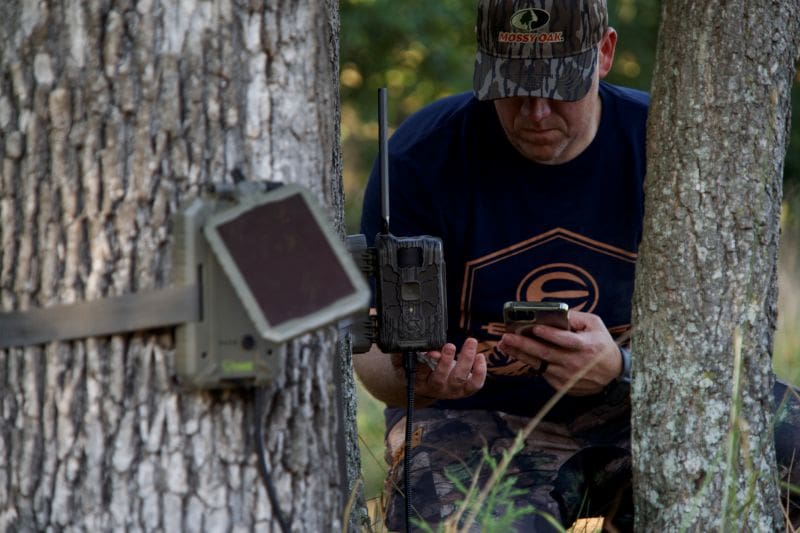
Trail cameras become especially valuable during July and August. Rather than only cataloging mature bucks, start paying attention to when fawns first appear with does, relative size differences between fawns, whether most does have one or two fawns, and which areas consistently hold family groups of healthy deer. Keeping notes from year to year can help establish patterns unique to your hunting property.
A Few Things to Keep in Mind
Fawn aging isn’t an exact science. Weather, nutrition, genetics, and even camera angles can influence how large or developed a fawn appears. Likewise, a few late born fawns don’t necessarily mean the entire rut occurred late.
Instead of focusing on one fawn, evaluate dozens of observations over several weeks. The larger the sample size, the more reliable the conclusions become.
Looking Ahead to This Fall
No one can predict the rut down to the exact day, but fawns offer one of the best biological clues available months before opening day. By learning to estimate their age and understanding the whitetail’s consistent gestation period, hunters can gain valuable insight into when breeding peaked last season, and when it is likely to peak again this year. So the next time you’re scrolling through trail camera photos, don’t just zoom in on antlers. Take a close look at the spotted youngsters trailing behind their mothers. They may be telling you far more about this fall’s rut than the biggest buck on your camera.