
Knowing when to push the gas and when to back off can make all the difference when bowhunting whitetails in October. It can be one of the most frustrating months of deer season. You know mature bucks are moving, trail cameras may be showing nighttime activity, and the woods are beginning to change as acorns drop and food sources shift. Yet, getting within bow range of a good buck can seem nearly impossible. The adrenaline in us says to hunt harder, make more noise, check more cameras, and move closer to where we assume a buck is living. Sometimes, that aggressive approach is exactly what it takes. Other times, it can educate a buck before the best hunting days of the fall arrive. The key is knowing when to turn up the pressure and when to let a buck make the first move.
October is a transition month. Bucks are beginning to shift their patterns, establish dominance, and prepare for the upcoming rut. Their testosterone levels are rising, but most mature bucks are not yet moving with the reckless attitude that hunters often associate with the November rut. They still spend much of their time feeding, bedding, and traveling through familiar areas. However, those patterns can change quickly as food sources, weather, hunting pressure, and breeding behavior begin to influence their movements. For bowhunters, recognizing those changes can create opportunities to get aggressive without burning out a hunting area.
When Fresh Sign Tells You to Make a Move
One of the best reasons to get aggressive in October is fresh buck sign. Rubs and scrapes are popping up everywhere, but not all sign deserves an immediate hunting effort. A lone scrape on the edge of a field may be interesting, but a series of fresh rubs leading toward a well used scrape line can tell an entirely different story.
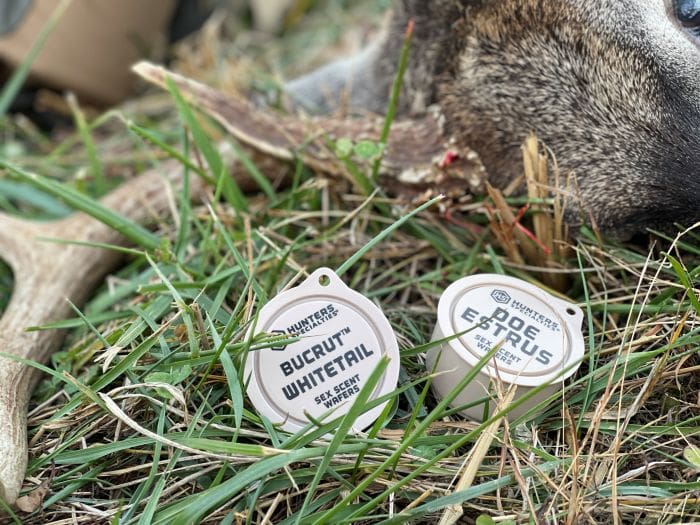
When fresh sign begins appearing in an area, it is worth checking out. Start scouting for rubs on several trees, licking branches, tracks, droppings, and trails connecting bedding areas to nearby food sources. The goal is to determine whether a buck is simply passing through or consistently using the area. Another way to scout fresh sign is by making it yourself. Mock scrapes can also help to monitor activity and encourage deer to visit a specific location. However, the real value comes from placing them where deer already want to travel. A mock scrape positioned along a natural corridor or near a staging area can provide an additional reason for a buck to stop within bow range. Aggression pays off when there is a reason to believe a buck is currently using the area.
When Trail Cameras Reveal a Pattern Change
Trail cameras can be especially valuable during October, but hunters need to look beyond the pictures themselves. A mature buck appearing on camera in the middle of the night doesn’t necessarily mean he is never going to be seen in the daylight. It may mean the area is worth watching, especially if his timing begins to change. Pay attention to when and where bucks appear. Look for patterns when bucks begin showing up earlier in the evening, how frequently they visit a scrape, and whether they have shifted from one food source to another. Compare images from multiple cameras to see if the same buck is traveling along a particular corridor. A series of pictures can reveal a pattern that a single image cannot.
When a buck begins appearing during legal shooting hours, or his movements suggest he is getting closer to a bedding area or staging location you can hunt, it may be time to make a move. Don’t wait until a buck has established a new routine that makes him difficult to intercept. At the same time, avoid checking cameras so often that you repeatedly disturb the very area you’re trying to hunt. If a camera is positioned near bedding cover, check it less frequently or use a cellular camera to reduce unnecessary visits. Every trip into the woods creates some level of disturbance, and mature bucks can be particularly sensitive to repeated human activity. The objective is to use information to make a calculated move, not to invade a buck’s core area every few days in hopes of finding another picture.
When the Weather Gives You an Opportunity
Weather can provide another reason to get aggressive in October. A strong cold front, a significant temperature drop, or a stretch of favorable conditions following unseasonably warm weather can create an opportunity to catch deer moving during daylight. Cold fronts don’t guarantee a mature buck will appear, but they can influence deer movement, especially when temperatures have been unusually warm. This year should be good for cold fronts. In my home state of Missouri, we have been dry and very warm for longer than usual. In fact, we have been breaking record highs every week in October. So, when the first cold front comes through, it is going to be a big difference and should make buck activity increase overnight. When a favorable forecast lines up with fresh sign, a known travel corridor, or recent camera activity, the combination may be enough to justify hunting a location that would otherwise be left alone.
This is especially true when the wind allows for an approach without blowing out an area. A promising stand location is not worth hunting if the wind carries scent directly into a buck’s bedding area or the trail he uses to reach food. Instead of getting aggressive simply because the temperature drops, look for opportunities when several factors align. For example, favorable weather, fresh deer activity, the right wind, and a stand location that allows entry and exit with minimal disturbance. When those pieces come together, don’t be afraid to rearrange your hunting schedule and spend the best part of the day in the woods.
When Bucks Begin Showing Signs of the Pre-Rut
As October progresses, buck behavior can begin to change. Rubs become more noticeable, scrape activity increases, and bucks may spend more time checking areas frequented by does. Some mature bucks begin moving more during daylight as they cruise their area and respond to the changing social dynamics. This is when aggressive hunting can become particularly effective. Rather than concentrating exclusively on food sources, begin looking for travel corridors connecting doe bedding areas, thick cover, and feeding areas. Funnels, inside corners, creek crossings, and narrow strips of timber between bedding areas can all offer opportunities to intercept a buck moving through his home range.
Scrape lines can also be especially useful during this period. A buck may visit several scrapes as he travels, but the most promising locations are often those positioned along natural travel routes where deer can check the area without exposing themselves. If you find a fresh scrape line in a location that offers favorable wind conditions, consider setting up nearby rather than directly over the scrape. A stand positioned downwind along the trail leading to the scrape may give you a better chance of intercepting a buck before he detects your presence.
Don’t assume that every October buck is ready to respond to aggressive calling or rattling, though. Some bucks may investigate a grunt or a rattling sequence, while others will avoid the disturbance. Use calling sparingly at first and increase your aggression only when the conditions and observed deer behavior justify it. The closer you get to the pre-rut, the more opportunities you may have to use buck behavior to your advantage.
When You Have to Make a Move on a Mature Buck
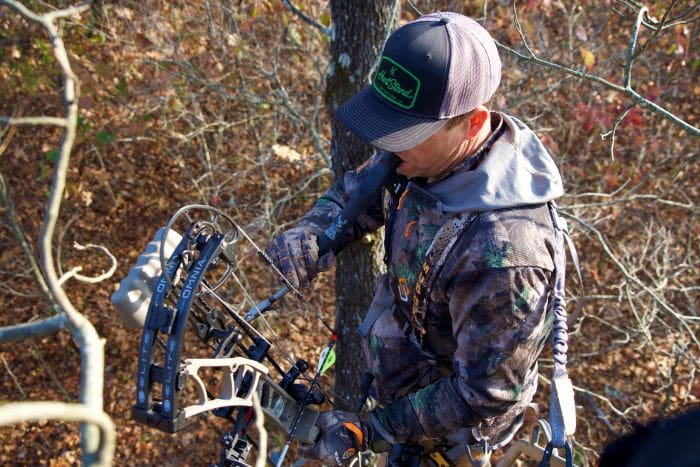
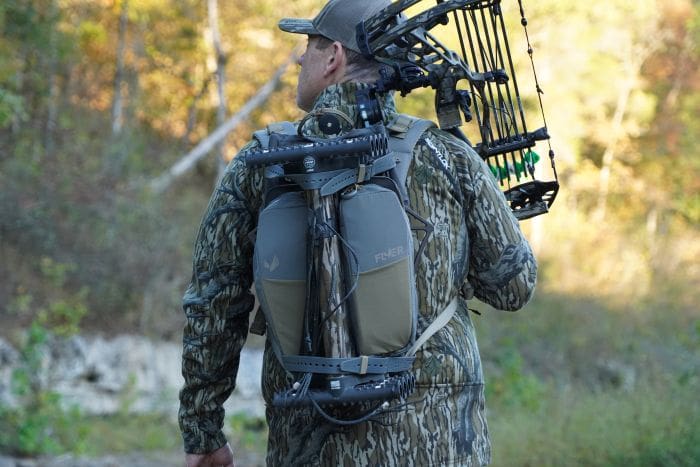
Sometimes, getting aggressive means abandoning a comfortable stand and moving closer to a buck’s core area. This is where a mobile setup or saddle hunting can make a difference. A buck may be living in a small pocket of thick cover, using a certain ridge, or bedding in a patch of timber that most hunters overlook. If repeated observations point toward a specific location, you may eventually need to get closer to have a realistic chance of encountering him during daylight. The trick is to make that move when the odds are in your favor.
Look for a day when the wind allows an approach from the right direction. Consider hunting during the middle of the day when deer may be bedded, but only if you can reach your setup without crossing likely bedding areas or leaving a trail of human scent through the location. Use terrain, creek beds, ditches, and thick vegetation to help conceal the approach.
This is where saddle hunting can be particularly useful. A lightweight mobile setup allows you to hunt from trees that might not work for a traditional tree stand and to adjust your position when deer activity changes. Instead of forcing a buck to travel past a permanent stand, it can be moved to the location that allows for the best chance of intercepting him. However, there is a difference between hunting aggressively and hunting carelessly. If getting closer means repeatedly bumping deer, crossing their trails, or exposing yourself in the open, it may be better to wait for another opportunity. A mature buck can tolerate some hunting pressure, but he doesn’t have to tolerate it. If you make a move, make it count.
When You Should Back Off Instead
Knowing when to get aggressive is important, but recognizing when to leave a buck alone can be just as valuable.If a mature buck is consistently appearing on camera after dark and there is no clear idea where he is bedding or where he enters a food source, charging into the area may do more harm than good. It could push him onto a neighboring property, change his travel route, or make him even more cautious.
The same is true when wind conditions are unfavorable or when hunting pressure is already high. If other hunters are moving through the area, deer may be changing their patterns in response. Adding more pressure without a clear plan can make an already difficult situation worse. Pay attention to the quality of the sign and the amount of disturbance required to hunt it. Sometimes, the smartest move is to stay on the outside, monitor activity, and wait for the conditions to improve. Remember that October is still early in the season. Not every opportunity has to be forced. A buck that survives the first few weeks of hunting season may provide a better chance later, especially as the pre-rut develops and his movements change. Being patient isn’t the same as being passive. It’s about saving aggressive moves for the moments when they have the greatest chance of success.
Make Every Aggressive Move Count
October is a month of changing patterns, and bowhunters who adapt to those changes can put themselves in a better position to tag a mature buck. Fresh sign, shifting camera activity, favorable weather, and increasing pre-rut behavior can all signal that it’s time to make a move. But aggression should always be based on information. Don’t move a stand or saddle setup simply because there has been no deer activity encountered, and don’t invade a buck’s core area just because a trail camera captured him after dark. Look for multiple clues that point toward a spot worth hunting, then plan the approach around the wind, access, and the least amount of disturbance possible.
As the month progresses, continue evaluating what the deer are saying. A setup that was productive during the first week of October may be useless by the third week. Food sources change, acorns begin falling, and bucks gradually shift their attention toward other deer. The bowhunter who recognizes those changes and responds at the right time can turn an ordinary October sit into an opportunity at a mature whitetail.
The bottom line is this: get aggressive when fresh sign or scouting gives you a reason to move, and back off when your presence is more likely to hurt than help. In October, knowing when to make amove can be just as important as knowing where to hunt.