
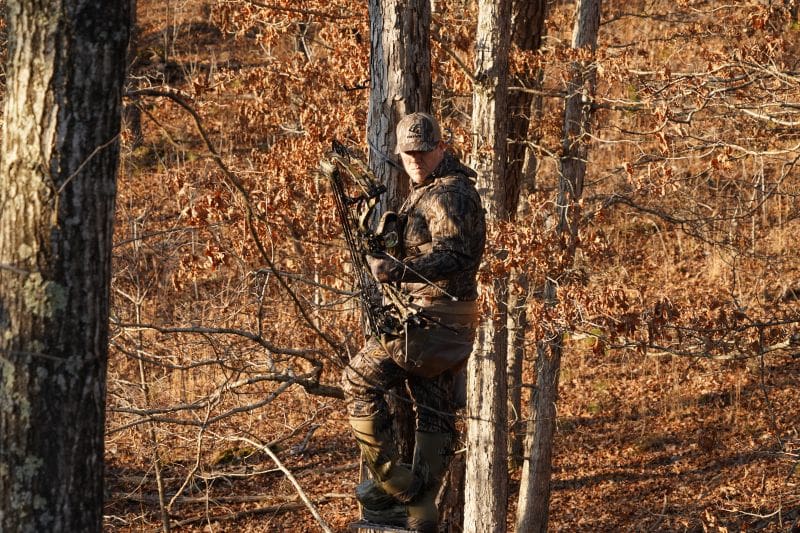
November is when things really start getting serious for whitetail hunters. Like many hunters, I typically kick off September with a handful of sits, hoping to catch an early season buck moving before hunting pressure ramps up. As October rolls around, I begin spending more time in the stand, taking advantage of the pre-rut activity as bucks become more visible and chasing starts to pick up. But once Halloween passes and the first week of November arrives, there is little time for slowing down. The rut is in full swing, and for much of the month, it becomes an all out effort to hunt every chance I get.
For many hunters, November is “the month” for hunting. By now, the anticipation of opening day has passed, the woods are filling with hunting pressure, and the best opportunities of the season may be unfolding right in front of them. Whether you’re hunting a familiar farm, spending time in a new area, or hunting a favorite piece of public land, November often requires more patience, longer sits, and a willingness to stay in the stand when everything around you seems to be testing your determination. It’s also the time of year when comfort can make or break a hunt. Cold temperatures, changing weather conditions, brisk winds, and long hours of sitting can wear on even the most dedicated hunter. It’s easy to convince yourself that you’ve sat long enough or that nothing is going to happen, especially when the temperature drops and your attention starts drifting away from the woods. However, some of the most memorable November encounters happen when hunters choose to stay put just a little longer.
Dress for the Conditions, Not Just the Forecast
One of the biggest mistakes hunters make during November is dressing for the temperature when they leave the house rather than preparing for the conditions they may experience throughout the day. Mornings can start bitterly cold before warming considerably by midday. Then pendulum could also swing the other way, when an approaching cold front or changing wind direction can quickly change, making an otherwise comfortable sit miserable. The key is having the right ScentLok clothing system that allows you to adjust as conditions change.
Layering allows for the flexibility to add or remove insulation without sacrificing mobility or comfort. I hate when I work up a sweat during the walk to my stand because once I’m settled in and sitting motionless, that accumulated moisture can quickly turn into a chill down my entire body. To avoid that chill, start with a base layer such as the ScentLok Merino 250 Hoodie, then add insulation as needed, and finish with an outer layer such as the Forefront Pro Jacket or a more insulated piece such as the BE:1 Revenant Jacket, which are both designed to help manage the elements and can make a tremendous difference.
This is where quality hunting apparel becomes important. ScentLok clothing combines odor-control technology with functional designs intended for the demands of hunting. Having dependable gear that helps manage human odor while providing the comfort and protection needed for extended sits allows you to concentrate more on hunting and less on what you’re wearing.

Don’t Let the Cold Distract You
There is a difference between being cold and being so uncomfortable that you can no longer concentrate on hunting. Cold fingers, frozen toes, and an uncomfortable sit can quickly become distractions, especially during those long November mornings when deer movement may happen at any time, yet it is unpredictable.
Pay attention to the areas of your body that tend to get cold first. The hands, feet, and head are often the biggest trouble spots. Quality gloves, appropriate socks, insulated boots, and a dependable head covering can go a long way toward keeping you comfortable. I also like having a few hand warmers available for particularly cold mornings. I’ll admit, I carry a rechargeable hand warmer in my backpack much of the time when hunting in November.
Keep Your Mind in the Hunt
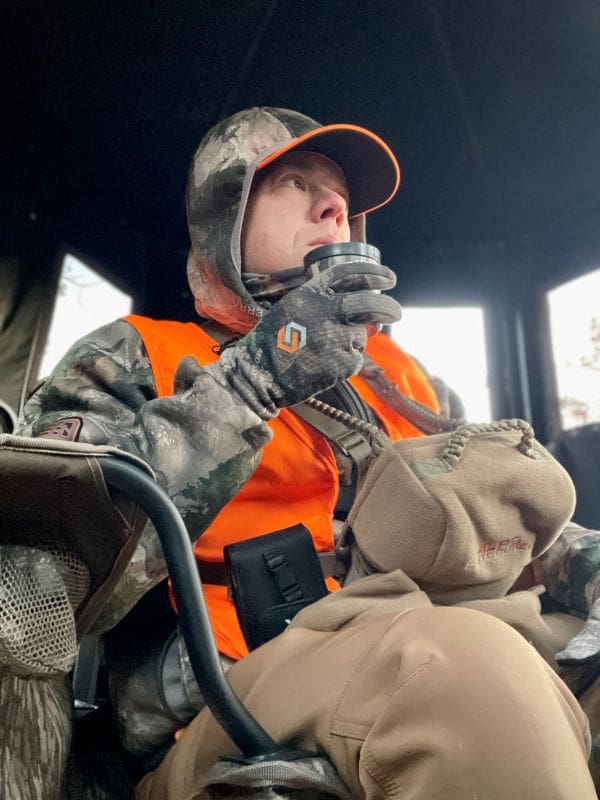
Staying physically comfortable is only part of the equation. November hunting also demands mental discipline. It’s easy to lose focus after several hours without seeing a deer, particularly when you’ve been watching the same opening or travel corridor all morning. Rather than allowing your attention to wander, make a habit of periodically scanning different areas around your stand. Pay attention to subtle changes in the woods, including movement along field edges, trails, bedding cover, and natural travel routes. Deer don’t always give you much warning before appearing, and a buck moving through thick cover may only present a brief window of opportunity.
I also believe in having a plan before climbing into the stand. I make sure that I know the wind direction, understand where deer are likely to travel, and I try to distinguish the areas that deserve the most attention. Having a purpose for each sit helps keep me engaged instead of simply watching the clock and waiting for something to happen.
Let Your Gear Do Its Job
November isn’t the time to discover that your equipment isn’t up to the task. From your clothing and boots to your backpack and hunting accessories, dependable gear can eliminate unnecessary distractions and help you remain focused on the reason you’re there.
Odor management is another important part of preparing for an extended sit. Hunters can spend considerable time choosing the right stand location, monitoring wind direction, and planning their approach, but those efforts can be useless if they overlook scent control. Using a scent elimination system or an odor management routine before heading into the woods and using apparel designed with odor control technology can help make scent management a more consistent part of your hunting strategy. ScentLok’s Carbon Alloy technology provides hunters with another layer of odor control by incorporating activated carbon into its apparel. When combined with being a smart hunter, including playing the wind and minimizing scent contamination during your approach, it becomes another useful tool in the overall preparation process.

Sometimes the Best Decision Is Staying Put
There will always be mornings when the temperature is uncomfortable, the wind isn’t ideal, or deer movement seems nonexistent. Those are the sits that test your patience and separate a quick morning hunt from being fully committed to the November grind. Of course, staying longer doesn’t automatically make a hunt successful. Weather, hunting pressure, rut behavior, and property conditions all shape when and where deer move. However, giving yourself the opportunity to be there when movement happens is something every hunter can control.
November is a month when persistence matters. A comfortable hunter is more likely to remain attentive, make better decisions, and give a promising location the time it deserves. Prepare your clothing system, take care of the small details, and make sure your equipment is ready before you ever leave the truck. Don’t be afraid to wear heated clothing and take a warm insulated tumbler of coffee to keep you warm throughout the hunt and help yourself remain comfortable longer. For example, a few years ago, during the opening week of Missouri’s rifle season in mid-November, a skiff of snow and a burst of Arctic air came through during the night. The next morning’s hunt was none other than brutal. By around 9:00 a.m., I was beginning to feel the chill a little more. A few sips of coffee and the warmth of my insulated ScentLok jacket helped take the edge off, but things really warmed up when a nice southern Missouri buck stepped into shooting range. After making the shot, it’s funny how quickly the cold seems to disappear. The adrenaline rush that follows has a way of warming you up like nothing else, something every deer hunter can appreciate.
The November grind isn’t always easy, but that’s part of what makes this time of year so special. Sometimes the difference between going home empty handed and experiencing an unforgettable hunt is simply having the comfort, confidence, and patience to stay in the stand a little longer.
