
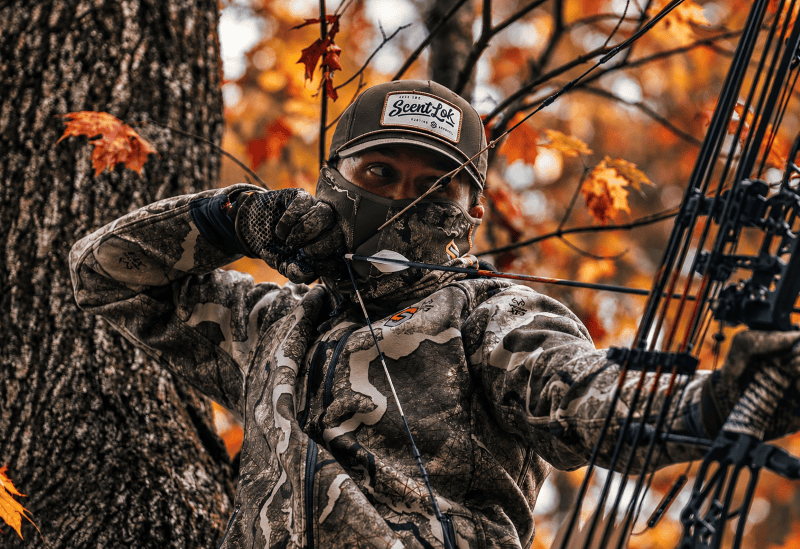
The Spooky Reason Whitetail Hunters Circle It on the Calendar
If I could only deer hunt one day of the year, it would be on Halloween. Something about the last week of October makes me want to dress up in my favorite ScentLok costume and trick-or-treat for a mature buck. The mornings are cooler, the leaves are changing, and the deer that spent much of September following predictable feeding patterns are beginning to act and move differently. Trail cameras may show more nighttime activity, fresh scrapes are appearing, and mature bucks that seemed to disappear for weeks can suddenly show up in daylight.
For many deer hunters, Halloween week is one of the most anticipated stretches of the entire season. It is the time when the early season routine begins shifting way to the pre-rut, when bucks become increasingly interested in does and territorial behavior starts to pick up. It is also a time when hunters can make the mistake of assuming the best days are still ahead and wait too long to get aggressive. There is no guarantee that a mature buck will walk past your stand between October 25 and October 31. Weather, hunting pressure, food availability, and the timing of the breeding season all influence deer movement. But Halloween week puts hunters in a position they have been waiting for since opening day: the opportunity to catch a buck making a mistake. The key is understanding what is changing in the deer woods and knowing how to take advantage of it.
The Pre-Rut Is Starting to Show
One reason Halloween week deserves a spot on the calendar is the gradual shift in buck behavior. As the peak of the rut approaches, bucks begin spending more time checking their areas for signs of a hot doe. They may freshen scrapes, rub trees, check out doe bedding areas, and travel through places they ignored earlier in the fall.
This transition does not happen overnight. In some areas, hunters may already be seeing increased buck activity by the middle of October. In others, the most noticeable changes may not occur until early November. Location, weather, and the local deer herd all play a role. Still, Halloween week often falls within an important window when bucks are becoming more active but have not shifted entirely to searching for does during the peak breeding period. That creates opportunities.
A buck that has spent several weeks feeding after dark may begin moving earlier in the afternoon. Another may abandon a patternable feeding route to check a scrape line or travel corridor. Older bucks that have been difficult to pattern can become more vulnerable as their attention shifts from food and security to breeding activity. Hunters should watch for these changes rather than relying on the calendar alone. A fresh rub line, a fresh scrape, or a daylight trail camera photo can provide a better reason to hunt a spot than simply knowing it is October 30.
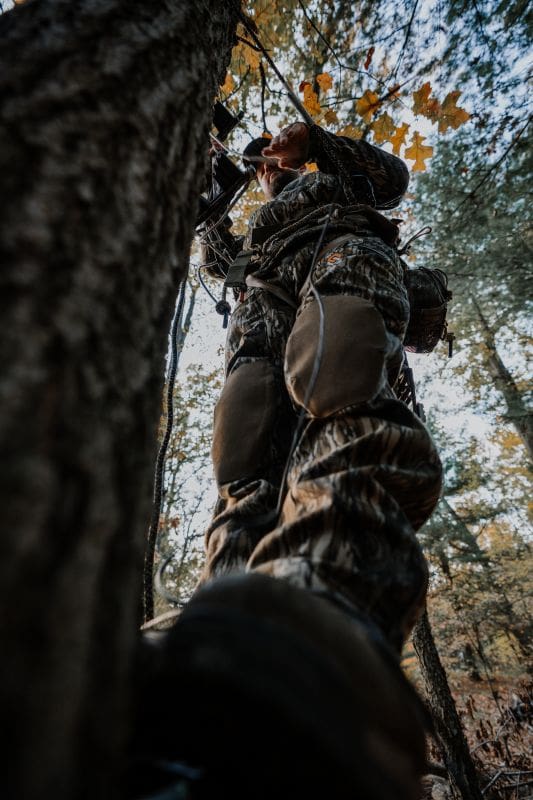
Fresh Sign Leads To A Buck
If there is one thing I want to find when I step into the woods during Halloween week, it is fresh sign. Not a sign that was made two weeks ago or a scrape that has been sitting untouched since the beginning of October. I want evidence that a buck has been in the area recently and is actively using it. Scrapes are one of the first places I look.
As bucks become more interested in breeding, they may revisit established scrapes, open new ones, and travel between multiple scrape locations. A scrape beneath an overhanging branch can become the hot spot for deer. However, not every scrape is worth hunting, and a scrape by itself does not guarantee daylight buck activity. Look for a group of fresh scrapes along travel routes, near thick cover, or between doe bedding areas and food. Pay attention to broken branches, fresh tracks, disturbed leaves, and other evidence that a buck has recently passed through.
Rubs can also tell a story. A fresh line of rubs leading toward thick cover may reveal a buck’s preferred route through an area. When rubs and scrapes begin appearing together, I become even more interested in figuring out how deer are traveling through the woods. Trail cameras can help confirm what the sign suggests. If a camera that has been quiet for several weeks suddenly starts capturing bucks during daylight, that is information worth acting on. But I would not abandon a good hunting location simply because a camera is showing nighttime pictures. Mature bucks can change their movement patterns quickly, and a location that produces only after dark activity today could become productive during daylight as the pre-rut progresses. The goal is to find where a buck is going to travel next, not simply where he has already been.
Hunt the Funnels, Not Just the Food
Early in the season, it is easy to build a hunting strategy around food. Early October is the time to find the acorns, locate a productive food plot, or identify the field where deer are feeding consistently; the plan is that simple. Halloween week can require a different approach. Food remains important, but bucks may spend more time traveling between bedding areas, checking doe groups, and cruising through cover. Rather than hunting directly over a food source, consider setting up along the route a buck might use to reach it.
Funnels and pinch points are excellent places to start. A narrow strip of timber connecting two larger blocks of cover, a saddle between ridges, or a thick strip of brush separating bedding areas can be ideal for deer movement. In the river hill country of southern Missouri that I hunt often, I pay attention to terrain features that naturally guide deer from one location to another. On flatter properties, I look for narrow corridors between thick cover, timber edges, and agricultural fields.
The advantage of these locations is that they can intercept a buck that is moving with a purpose other than feeding. He may be checking a scrape, following a doe’s trail, or cruising between bedding areas, food is the last thing on his mind.
Don’t Overlook the Morning Hunt
For hunters who primarily focus on afternoon sits, Halloween week is a good time to reconsider that routine. As bucks begin increasing their searching behavior, morning movement can provide excellent opportunities. A buck returning from nighttime activity may travel past a scrape, cruise along a ridge, or cut through a funnel as he moves toward bedding cover. The challenge is getting into position without alerting deer that are already moving.
Before committing to a morning hunt, think carefully about where deer are likely to be coming from and where they are headed. Avoid walking through the same area you intend to hunt, and be careful around bedding areas. If I have fresh sign and can reach the stand without crossing likely travel routes, I am willing to get in early and stay patient. I also would not automatically leave the woods after the first couple of hours. Halloween week can produce unexpected encounters, and bucks searching for does may travel during the middle of the morning. An all day sit is not practical for everyone, but if you have a strong location, favorable wind, and the opportunity to stay put, this can be a worthwhile time to pack a lunch and commit to the hunt.
Rattle, Grunt, or Use a Decoy
Halloween week can be a good time to introduce calling and other tactics, but timing still matters. As bucks become more territorial and begin checking for does, a few well timed grunts may get the attention of a buck within hearing distance. Light rattling can also be effective when bucks are showing interest in other deer and beginning to establish dominance. The key is to read the situation. If I have fresh rubs, scrapes, and photos of buck activity in the area, I am more inclined to experiment with calling than I would be in a location with little deer sign. I want to give a buck a reason to investigate without making the woods sound unnatural.
A decoy can also be effective under the right circumstances. A buck that is already searching for does or responding to competition may be willing to approach another deer. However, visibility, wind direction, and deer behavior all influence whether a decoy makes sense. I would not automatically bring out every trick in the bag just because the calendar says it’s Halloween. Calling and decoys should complement a good hunting location, not replace one. Sometimes the best move is to sit quietly and let a buck follow his natural travel route. Other times, a carefully timed grunt may be enough to turn a cruising buck in your direction. Knowing when to stay quiet is just as important as knowing when to make a sound.
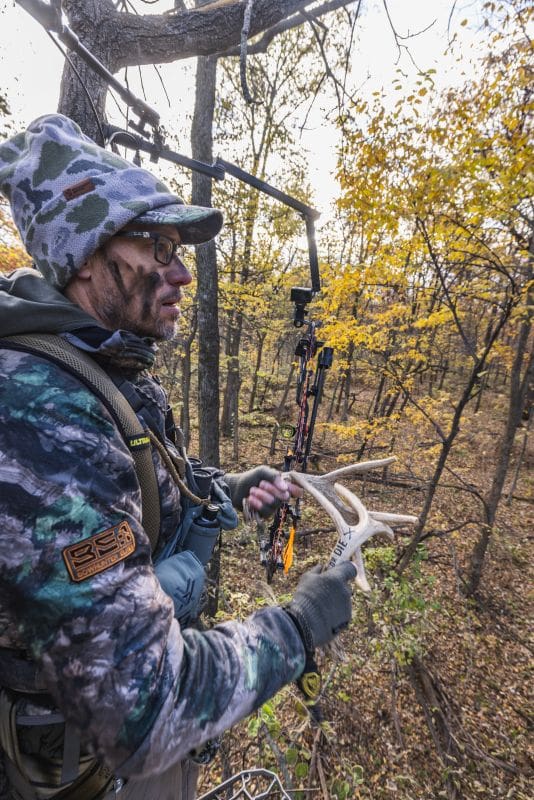
Let the Weather Help You Make the Decision
Hunters often look for a major cold front to signal the start of good deer movement. Cooler temperatures can certainly make sitting in the stand more comfortable, and changing weather may influence when deer move. However, I would not automatically skip a hunt because the forecast calls for warm temperatures. Halloween week is too important to judge by the thermometer alone. Instead, consider the entire forecast. A passing front, a shift in wind direction, cloud cover, or a change in precipitation may influence your hunting strategy. More importantly, look at how the weather affects your ability to enter and exit a location without disturbing deer. If a cool morning lines up with fresh sign and a favorable wind, I will make every effort to be in the woods. But if the temperatures remain mild, I am still willing to hunt a promising funnel or a scrape line that has recently shown activity. Fresh sign and recent photos matter more than a forecast promising that deer should be moving.
The same goes for hunting pressure. On heavily hunted public land, bucks may shift toward thicker cover or less accessible areas as more hunters enter the woods. A secluded ridge or overlooked strip of timber might offer a better opportunity than an obvious stand location near the main trail. Pay attention to what other hunters are doing, too. Halloween weekend can bring more people into the woods, which can change deer movement. If pressure pushes deer out of their usual patterns, hunt locations where they can travel while feeling safe.
Don’t Wait for November to Get Serious
Perhaps the biggest mistake hunters make during Halloween week is treating it as a warm-up for November. Yes, the traditional rut window is approaching in many parts of the country. And yes, November can provide incredible hunting, but there is no reason to assume that every opportunity will be better a week from now. A mature buck can be vulnerable during late October as he begins searching for does, freshening scrapes, and changing his daily routine. However, the chance may not last long; a buck that is using a particular travel route today could shift his movement tomorrow, especially if he encounters hunting pressure.
That is why I want my best information ready before Halloween arrives. I want to know where the fresh sign is, which trail camera locations are producing, how the wind affects my stand sites, and which locations I can hunt without disturbing deer.
I also want to remain flexible. If the sign changes, I am willing to move. If a location goes cold, I will reassess rather than keep hunting, simply because it was good earlier in the month. For mobile hunters and saddle hunters, this can be an especially valuable time to take advantage of fresh sign and adjust quickly. The ability to set up along a newly active travel route without being tied to a permanent stand can provide a significant advantage. The point is to not hunt harder just because it is Halloween week. It is to hunt smarter when buck behavior may be changing in your favor.
Circle the Dates, Then Make Them Count
Halloween week has earned its reputation for a reason. In many areas, it coincides with increased pre-rut activity, fresh scrapes, changing buck movement, and the first signs of the rut beginning to influence deer behavior. It is not a magical window, and the timing of the rut varies by region. Hunters in southern states, for example, may experience a different rut schedule than hunters in the Midwest. Even neighboring properties can produce different results depending on habitat, food sources, and hunting pressure. Still, late October deserves serious attention. This is the time to use trail camera information, investigate fresh sign, and take advantage of favorable hunting conditions. Do not assume a mature buck has to wait until November to make a mistake.
When Halloween week arrives, I want to be prepared, focused, and ready to hunt. I do not want to spend the next week wishing I had been in the stand when the opportunity was there. I want the treat, not the trick. Because sometimes the buck you have been chasing all season gives you his best opportunity before November ever begins. And if Halloween week is circled on your calendar, make sure you are in the woods when it matters most.