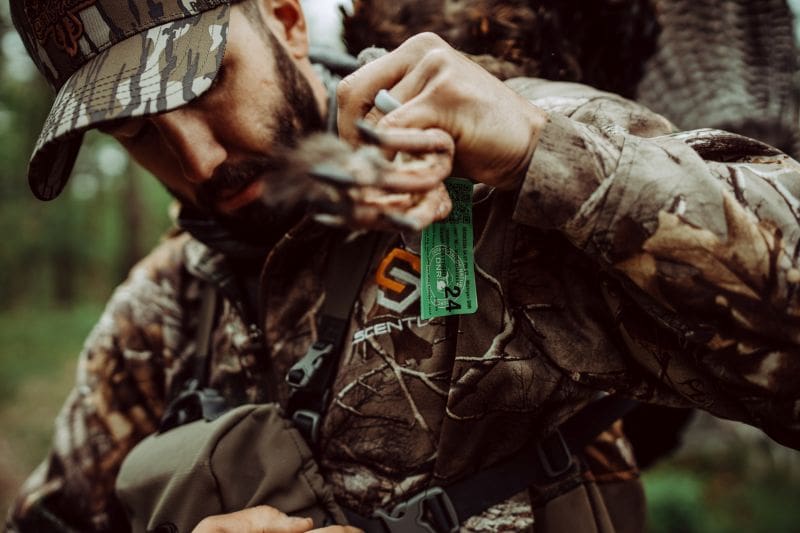
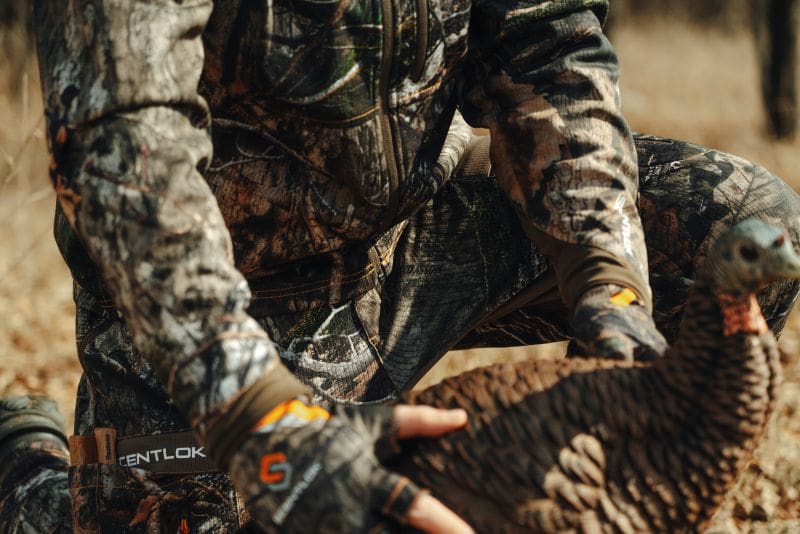
Turkey hunting is always a game of patience, precision, and understanding your environment, but when temperatures rise, everything from turkey behavior to the tactics we use as hunters can all change. Hot weather turkey hunting isn’t just “regular season hunting with less clothing.” It requires a different mindset, smarter setups, and tighter attention to detail.
When many hunters think about spring turkey hunting, they often think of those cool, sometimes rainy April mornings in the woods. However, when Mother Nature decides to give us unseasonably warm weather or for those states whose season lasts late into May, the chances of hunting in warm, almost summer like days can often become a challenge for late season turkey hunters.
Turkey Behavior Changes in the Heat
As a young teenager, I was the proud owner of a wild gobbler and a half wild hen turkey. For the three years that I raised these unique birds, I learned more about turkeys than I would have if I were just a hunter. As temperatures climb, turkeys adjust their daily routines to avoid overheating. While keeping my two turkeys in a large fenced enclosure, I noticed behaviors in warm weather that are rarely seen in the wild. The gobbler frequently scratched at the soil in shaded spots. By mid-morning and into the afternoon, he would even settle down and lie flat in the dirt to help cool off. Both the gobbler and hen could also be seen panting like dogs as a way to regulate their body temperature and stay comfortable.
As for wild turkeys in warmer weather, this means more movement during early morning hours, midday loafing in shaded areas, and long periods of stillness near food, water, and shaded cover. Unfortunately, this also often means less vocal activity once the sun gets high.
As a Missouri native, I’ve only experienced a few seasons where temperatures stayed warm late into turkey season. However, I’ve hunted in states like Oklahoma where daytime warmth can set in quickly, as well as places like Texas, Florida, Georgia, and others that often see spring conditions turn hot. In those situations, gobblers that are highly vocal at first light often quiet down much sooner, which requires a more subtle and intentional calling approach.
In hot weather, the “prime time” window gets shorter. Many turkey hunters prefer to hunt at first light, when turkeys are on or coming off the roost. Yet, when late in the season, if the forecast calls for warm weather, the first 1–2 hours after fly-down are vital for success.
Rethink Your Setup Strategy
In cooler conditions, hunters can often get away with mobile setups and mid-morning repositioning. In the heat, however, turkeys roost closer to shade, because most likely, it was hot when they flew up the evening before. This means the setup needs to be more precise from the start.
When scouting, look for birds to be roosting in shaded ridgelines and creek bottoms, which are often a few degrees cooler than on top of an open ridge.
A few years back, while taking a disabled boy turkey hunting in Missouri, we faced two days of warm weather, with the afternoon highs reaching the upper 80’s. On the second day of our two-day hunt, we carried our blind deep into a shaded valley, not only to help keep us cooler while hunting mid-day and the evenings, but also because we assumed that’s where the birds would be as well. One evening of our hunt, an hour before sunset, the day went from hot and quiet, with little movement, to turkeys yelping and toms gobbling all over. We watched as the hens were slowly making their way to the timber, most likely going to the roost. Fortunately, for us, the gobblers were close behind and found our decoys attractive. With only 30 minutes left of legal hunting time, the young boy got his first mature gobbler.
Shaded valleys and north facing slopes tend to stay slightly cooler in the mornings and evenings, making them prime areas during warmer hunts. Spots with thicker cover can also offer a light breeze and often hold turkeys for longer stretches of time.
When it comes to setup, once roost areas have been identified through scouting, it’s best to move in early and concentrate on roost-to-feed travel corridors. In the evenings, arriving well ahead of time is key. After sunrise, turkeys are less inclined to move far, which makes that initial setup more important than at almost any other point in the season. By evening, being in place early and simply waiting can pay off, as turkeys tend to follow familiar routes back toward their roost sites. These cooler, sheltered areas are where birds often spend the most time during warm conditions, and they should be a primary focus during late season or hot weather hunts.
Adjust Your Calling Strategy
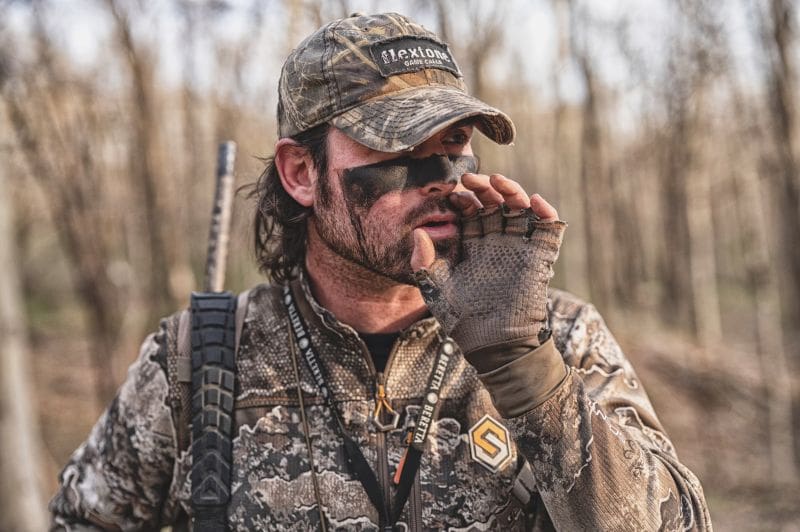
Hot weather turkeys often respond differently to calling. When it is warmer, a hen isn’t going to be loud and vocal. Less aggressive calling is usually more effective with longer pauses between different calling sequences. Subtle tree yelps and soft clucks outperform loud cuts, especially when getting in close to the roost early. Overcalling can shut birds down fast in still, humid air. If a gobbler answers once, don’t rush him. In heat, patience kills more birds than volume.
Hydration and Comfort Affect Success
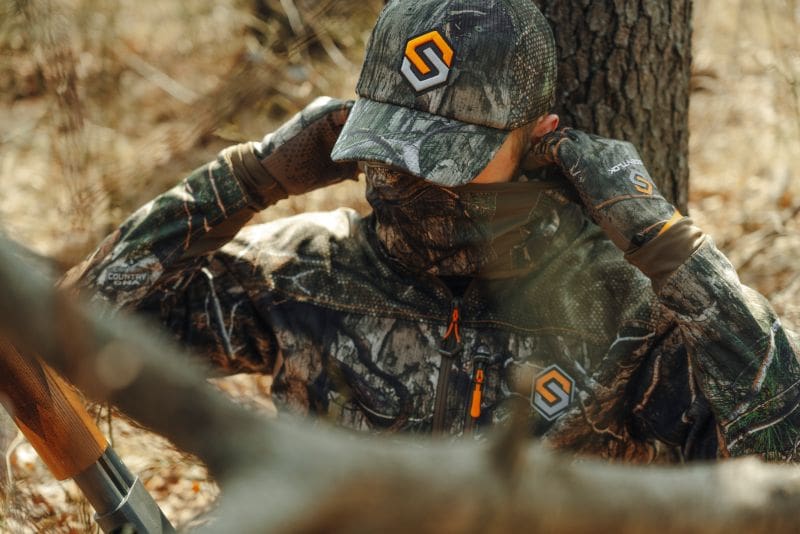
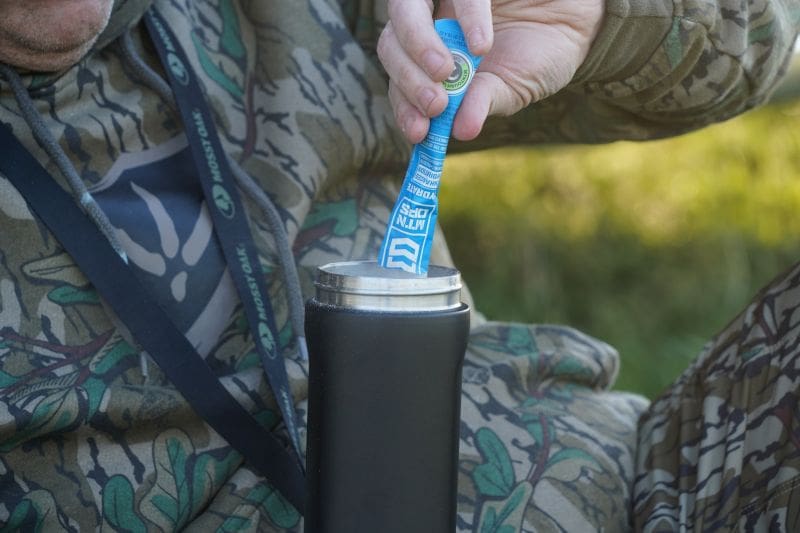
Hot weather hunting is physically demanding for hunters, and fatigue can lead to mistakes in movement, calling, and setup discipline. It is essential to pack a vest or chest pack with more water than you think you’ll need. It is also important to dress in lightweight, breathable clothing. The Savanna Aero is a favorite Scentlok piece for early season deer hunters, yet it can also be beneficial when late season turkey hunting to stay dry and cool. It may be a good idea to lighten the pack or vest as well. Minimal but effective gear is all that is needed to hunt this time of year and help reduce overheating. A comfortable hunter is a quiet, more patient hunter, and that directly translates to more success.
Hot weather turkey hunting isn’t just a tougher version of spring hunting; it’s a different style entirely. Birds behave differently, and the window of opportunity shrinks. The hunters who succeed are the ones who adapt quickly, make tighter setups, smarter calling, and disciplined patience. When the heat is on, every detail matters.