For many whitetail and elk hunters, the off season usually revolves around food plots, trail cameras, and dreaming about opening day. But the months between seasons are also the perfect opportunity to improve something that directly impacts success in the field: physical conditioning.
Many elk hunters already have some kind of fitness plan throughout the summer to help them in September, when it is time to climb up and down the mountains chasing a bugling elk. Yet, whitetail hunters can benefit from getting their bodies in better shape as well. Hunters can build a practical hunting fitness routine around the one piece of gear they already love using: their bow.
Bowhunting, whether it is deer or elk, is more physical than many hunters realize. Drawing a bow smoothly under pressure, holding at full draw, hiking ridges, dragging deer, packing an elk out of the mountains, climbing tree stands, and packing gear all require strength, endurance, and stability. Instead of using shooting practice simply to become a better shot, combine it with a fitness regimen. Hunters can combine two into one efficient off season routine that improves both physical preparedness and shooting performance, plus it is fun!

Train Like You Hunt
One of the biggest mistakes hunters make during the off season is training in ways that don’t resemble real hunting situations. Shooting arrows from a lawn chair at 20 yards may help with basic accuracy, but it does little to prepare you for drawing on a bull elk after a steep climb or holding steady on a mature buck after a cold morning sit.
Your bow can become an excellent training tool because it naturally works many of the same muscles needed in the field. Drawing repeatedly builds upper back strength, shoulder stability, grip strength, and core control. More importantly, it develops functional endurance specific to bowhunting.
Rather than simply flinging arrows for an hour, structure your shooting sessions with purpose and movement. Use your reps during shooting practice the same way you would perform reps in the gym. For example, throughout the summer, I like to shoot four to five times a week at a minimum. I typically start by shooting 30 arrows from 20, 30, and 40 yards. Then I follow that with 20 arrows from the same distances, finishing with 10 arrows from each yardage. Together, that makes one complete workout.
Change up the number of reps each practice session. Start the summer with lower volume workouts, then gradually increase the number of shots as the season gets closer and strength builds. With every shot, focus on form and the muscles being engaged. Not only does this help build strength, but it also develops better shooting habits and more consistent form in the field.
Use Shooting Circuits
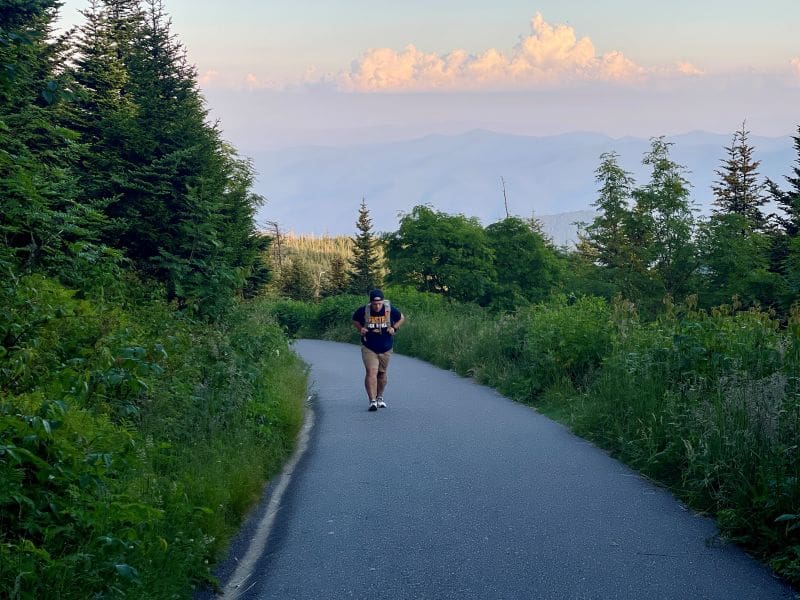
One of the easiest ways to combine fitness and shooting is through shooting circuits. The idea is simple, elevate your heart rate with exercise, then immediately shoot a controlled arrow. This mimics the adrenaline and elevated breathing hunters often experience during real encounters. Personally, I enjoy running 3 to 4 miles early in the morning, before work. Throughout the summer, I run my miles near my home, then as soon as I get back, I immediately grab my bow and shoot 6 to 10 arrows. My heart rate is up, and I am slightly fatigued, which resembles how your body may react when hunting.
If running long distances is not your cup of tea, a simple circuit could look like this:
10 push-ups
15 air squats
30-second plank
Jog 50 yards
Draw and shoot one arrow
Repeat the circuit several times while focusing on shot execution. You’ll quickly notice how much harder it is to settle your pin and maintain form when your breathing is elevated.
For elk hunters, especially, adding cardio before shooting is incredibly valuable. Hiking uphill at an elevation before coming to full draw is a completely different experience from shooting fresh in the backyard.
Build Bow Specific Strength
You don’t need to become a bodybuilder to become a better bowhunter. In fact, functional strength matters far more than lifting heavy weights. Focus on exercises that improve pulling strength, shoulder durability, and core stability.
Key muscle groups for bowhunters include:
Upper back
Rear shoulders
Rotator cuff muscles
Core and obliques
Glutes and legs
Resistance bands are excellent for bowhunters because they mimic the pulling motion of drawing a bow. Single arm rows, band pulls, and face pulls can all help strengthen the muscles that stabilize your shot.
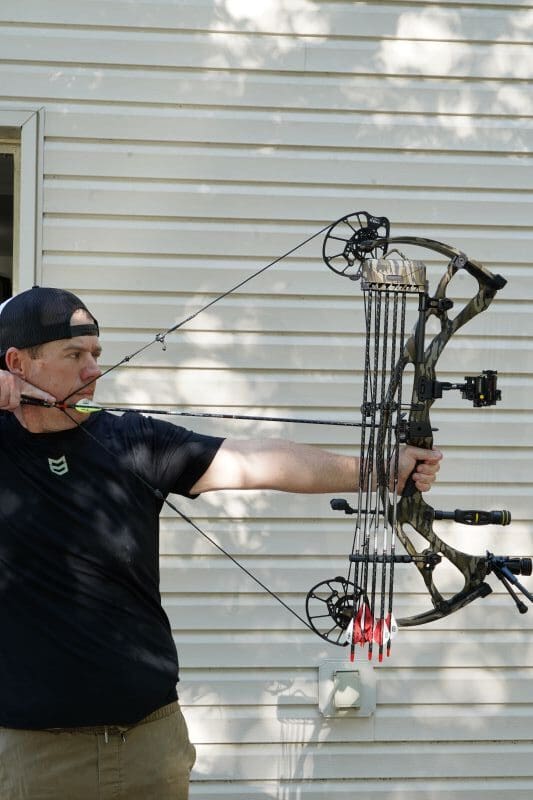
Even your actual bow can be used for endurance training. Try drawing and holding at full draw for 20–30 seconds before letting down slowly. This helps build stability and mental control for longer shot opportunities.
Incorporate Hiking and Pack Training
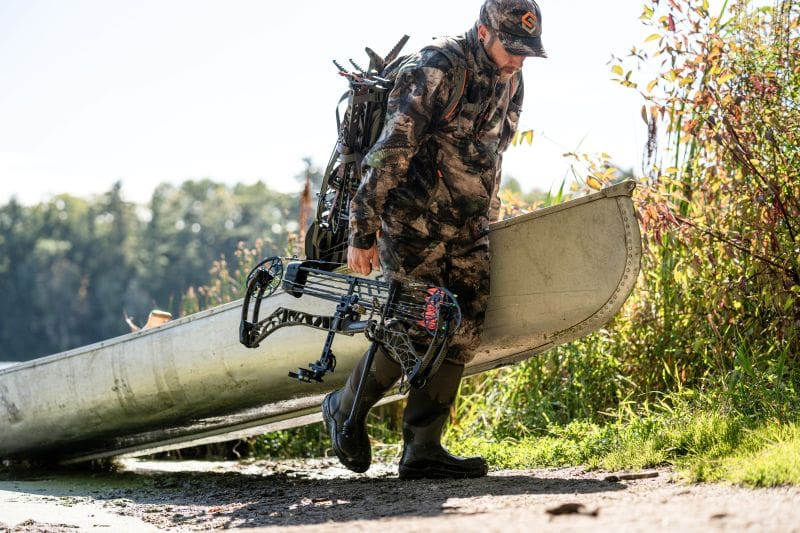
For elk hunters and mobile or backcountry whitetail hunters, hiking may be the single most important off season activity. Packing into public land, climbing steep terrain, and hauling your harvest back out demand endurance and leg strength that can’t be ignored.
A weighted pack hike combined with periodic shooting drills is one of the best ways to prepare for western hunts. On days that you want a less intense workout compared to running or shooting circuits, set shorter distances, hike a loop with your weighted pack, then stop and shoot a single arrow while fatigued. Again, start lighter at the beginning of your workouts, then add weight as the summer progresses and your muscles build.
Whitetail hunters can benefit from this, too. Climbing stands with gear, dragging deer, and navigating rough terrain become much easier when your legs and lungs are conditioned ahead of time.
Practice Realistic Shooting Positions
Fitness is only part of the equation. Your off season should also include realistic shooting situations that challenge your body control.
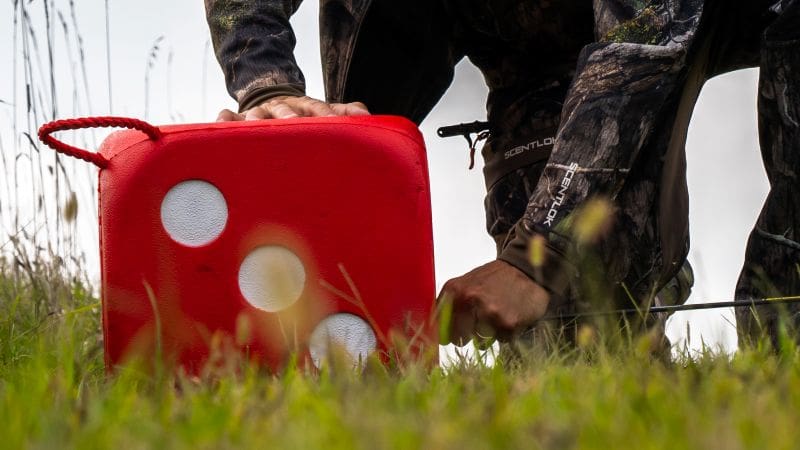
Try practicing:
Kneeling shots
Seated shots
Uphill and downhill angles
Shooting after short sprints
Holding at full draw for extended periods
Shooting with bulky clothing or a pack on
These drills expose weaknesses in balance, mobility, and stamina while helping you become more comfortable in awkward hunting situations.
Focus on Mobility and Injury Prevention
Shoulder injuries are common among bowhunters, especially those who jump into heavy shooting sessions without preparation. Mobility work is often overlooked, but it can extend your shooting longevity and improve comfort.
Incorporate:
Shoulder mobility stretches
Resistance band warmups
Thoracic spine mobility
Hip flexibility exercises
A mobile hunter draws smoother, moves more quietly, and recovers faster after training.
Make Consistency the Goal
You don’t need a hardcore athlete’s schedule to become hunt ready. Consistency matters far more than intensity. Three or four purposeful sessions each week can dramatically improve your conditioning and confidence before the season.
Even short workouts combined with shooting practice build momentum:
20-minute hike + 20-minute shooting session
Bodyweight workout + broadhead practice
Evening jog + 3D target course
The goal is to enter fall feeling capable instead of trying to survive the season physically.
Better Fitness Leads to Better Hunting
Improved fitness doesn’t just help you feel better, it helps you hunt better. Using your bow as part of your off season fitness regimen creates a direct connection between training and hunting performance. A stronger, more conditioned hunter moves quieter, recovers faster, handles pressure better, and stays mentally sharp longer in the field.