Early season deer hunting can be one of the most predictable times of the year for targeting a mature buck. Before the rut changes everything and hunting pressure begins to reshape deer movement, bucks often follow fairly consistent patterns between bedding areas, food sources, and water.
For that reason, many hunters focus their early season efforts around two indispensable resources: food and water. It’s a popular tactic, and for good reason. I recently returned from an annual public land hunt that a group of coworkers and I attend on the first weekend of the archery deer season. Now, entering our third year, one trend has consistently stood out when scouting and determining where we’ll hunt: food and water. No matter how much ground we covered while scouting the 350 acres, we repeatedly found ourselves in areas where acorns were falling, and water was close by. One example came from a friend who had hunted with our group the previous two years. He discovered a small pinch point bordered by a river on one side, a small creek winding through a thick bedding area in the middle, and a large agricultural field on the opposite side. As he had hoped, his first evening in the tree saddle produced exactly what we were looking for: deer moving between food and water. He arrowed a nice deer that evening, taking advantage of this proven early season tactic.
Find the Food Deer Are Actually Using
During the early season, food is a major influencer of deer movement. Bucks have spent the summer months building their bodies and growing antlers, and they continue to seek out quality nutrition as September arrives. Agricultural fields, food plots, and mast producing trees such as white oaks can all become popular destinations. Rather than simply looking for the largest food source on the property, hunters should pay attention to what deer are actually using.
A small food plot tucked tight to cover can be more valuable than a large destination field if it naturally fits into a buck’s daily routine. We’ve seen the same thing on our public land hunts. Agricultural fields can certainly attract deer, but the white oaks tucked back in the cover are often where we find the bucks spending their time. That becomes even more important when hunting mature deer. Older bucks rarely move without a reason, especially during daylight hours. Rather than crossing wide open areas, they tend to travel along the edges of cover, use secluded trails, and slip into food sources from the security of nearby bedding cover. Finding where a mature buck enters and exits a food source can create a much better hunting opportunity than simply hanging a saddle or stand over the middle of the food source.
Don’t Overlook Water
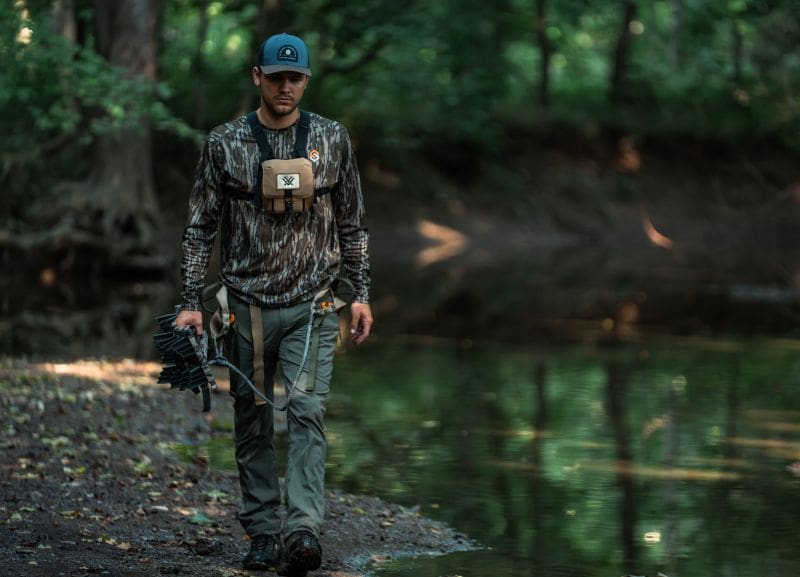
Water becomes equally important when temperatures remain high. Early season hunts often take place during warm, sometimes oppressive conditions, and deer still have to maintain their water intake. A reliable water source can become a regular stop during a buck’s daily routine, especially when it is located near bedding or feeding areas. Not every water source deserves the same attention, though. A large pond or river may look like an obvious hunting location, but deer may have several options for drinking. Small ponds or secluded creeks like the one my buddy was sitting near can be much more attractive when they are located along a buck’s normal route. In areas where water is limited, these locations can become highly productive and make excellent hunting sites.
Put Food, Water and Cover Together
The real advantage comes when food and water overlap with security cover. A mature buck doesn’t necessarily need to travel great distances during the early season. If he can bed in secure cover, find quality food, and access water without exposing himself, there may be little reason for him to leave that area. That creates the kind of predictable pattern early season hunters should be looking for.
Instead of looking at food, water, and bedding as three separate pieces of the puzzle, look for areas where they come together. The closer a buck can stay to the resources he needs while remaining in secure cover, the more predictable his movements can become, especially when the weather is still warm. The less a buck has to move, the easier he stays cool and feels safe.
Let Trail Cameras Tell the Story
Trail cameras can help put the pieces together. Instead of simply watching a food plot or another well used food source for a big buck, cameras should be used to determine when and how deer are using the area. Look for the direction bucks approach from, the trails they consistently use, and whether their movement is during the daylight. Then consider how water fits into that pattern.
A buck that appears at a food source shortly before dark may be using a nearby water source or staging area beforehand. By studying several camera locations instead of focusing on one picture, hunters can begin to piece together a buck’s daily routine. That information can be especially valuable with a mature deer. Seeing a buck on camera is one thing; understanding why he is there and where he is coming from can turn that picture into a hunting opportunity.
Don’t Ruin a Good Pattern With Bad Access
Access is another important piece of the puzzle. A popular food source and a reliable water hole won’t mean much if reaching the stand requires walking through the area where a mature buck spends his evening. Early season patterns can be consistent, but they can also be disrupted quickly by hunting pressure. The goal should be to slip into the stand without alerting the deer you are trying to hunt.
This is where mobile hunting can be especially useful. Rather than committing to one location, hunters can adjust their setup based on current deer movement, wind direction, and the information gathered from trail cameras.
Let the Wind Dictate the Hunt
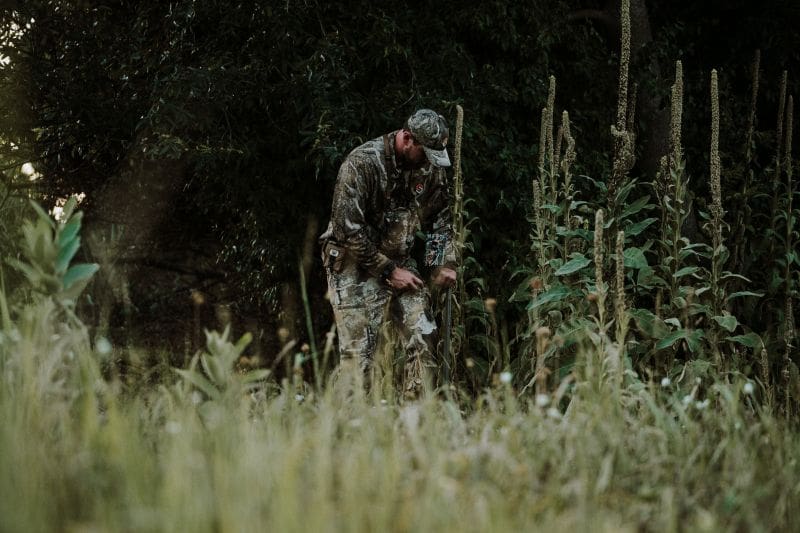
Wind direction should also dictate how and when these locations are hunted. A food source may be productive, but if the wind carries your scent toward the bedding area or the trail a buck uses as his approach, the opportunity may be over before the hunt begins.
Sometimes the smartest decision is to leave a good location alone until the wind provides the right opportunity. It can be tempting to hunt a location simply because a big buck was seen on camera there. But knowing when not to hunt can be just as important as knowing where to hunt. Early season bucks can establish dependable routines, and educating one by forcing a less-than-ideal weather or a bad wind sit can make future hunts much more difficult.
Take Advantage of Predictability
Early season is often a game of patience. Hunters have the advantage of predictable food and water patterns, but that doesn’t mean every sit is worth making. A mature buck may give you only a few opportunities to hunt him without changing his routine. By identifying the food he prefers, locating dependable water, and understanding how those resources fit within his daily movement, hunters can build a much clearer picture of where that buck is most vulnerable.
Food and water are popular early season tactics for a reason. Deer need both, and mature bucks are creatures of habit. When those necessities are combined with cover, favorable wind, and careful access, they can create some of the most consistent opportunities of the deer season.