
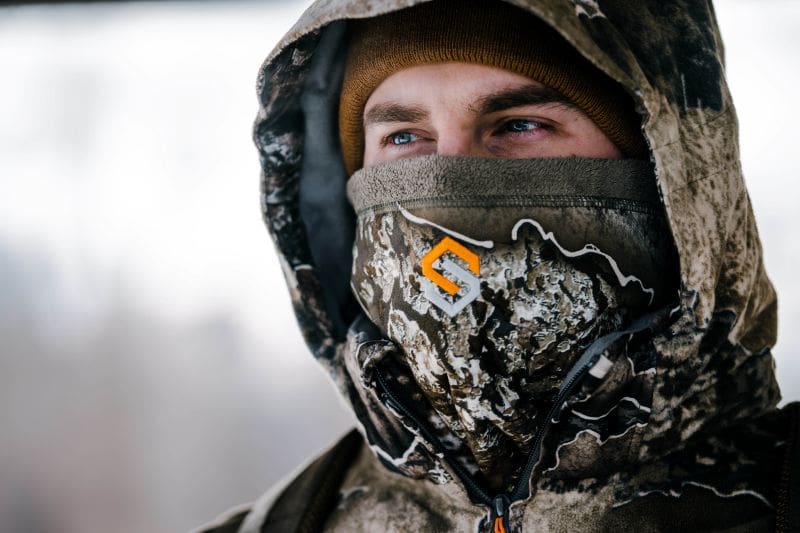
How shifting weather moves whitetails over the holiday week, and how to be in the right spot when the forecast flips
In many places across the country, people joke, “If you don’t like the weather, wait five minutes,” and it rings especially true in Oklahoma, where I do most of my hunting. Thanksgiving week proves it more often than not. I’ve walked to the stand on a holiday morning in shirtsleeves and climbed down a few hours later shivering, because a surprise cold front rolled through while I sat there.
Those are the mornings I’m most thankful for, though. A front like that gets deer moving, and with the whole family gathering, a sit before the turkey comes out of the oven is about as good as the holiday gets. I just have to make it count.
What Actually Affects Deer?
Like humans, deer are driven by biology – they need food, water, and shelter, and they have an insatiable desire to reproduce. Changes in temperature, wind, precipitation, day length, hormones, and barometric pressure all factor into when, where, and how deer move. Habitat changes and human or predator pressure are among many other factors that can also alter deer behavior.
How Does Temperature Affect Deer?
When temperatures are hot, deer seek shade and become nocturnal or, at the very least, avoid moving when the sun is up. Like us, they try to avoid the heat as much as they can while staying near a water source. So, hunting between the water source and the thickest, shaded area often leads to more deer encounters during your early-season hunts.
At the opposite end of the spectrum, prolonged extreme cold can also keep deer from moving much, as they conserve heat and energy. Much like we want to curl up next to a fire on a bitter cold day, deer want to stay where it’s warmest, so hunt near windbreaks to improve your odds.
If you could design the ideal day to hunt deer, it would have to include a cold front moving through during the day. Cold fronts get deer feeding and moving, so you’re more likely to encounter one (or many more) as temps drop.
How Does Wind Affect Deer?
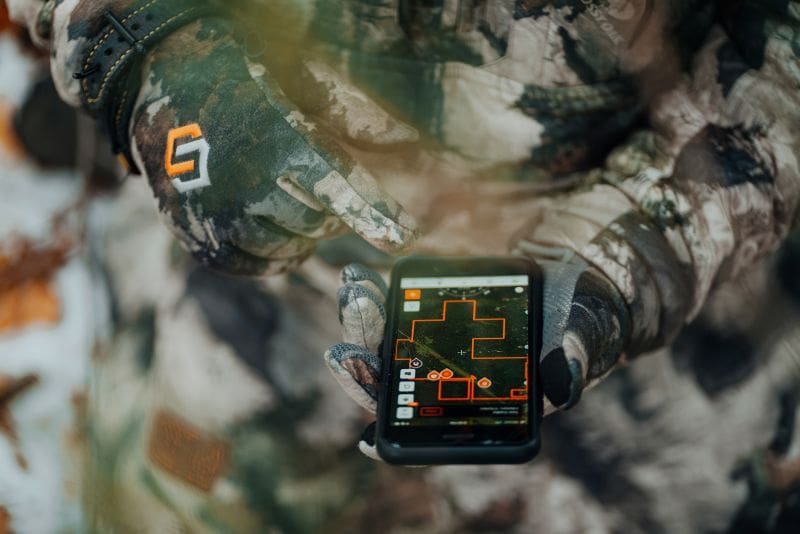
We all know deer use the wind to their advantage when detecting scents, so we set up our stands based on wind direction. However, we often don’t think about wind speed. Deer move more in gentle to moderate breezes (less than 15 mph) because it’s easier for them to decipher scents, hear, and spot potential dangers. In high winds (15+ mph), deer move less and stick to thickets, leeward slopes, and pockets in the timber, so plan your sits accordingly.
In Oklahoma, the winds swirl and change direction constantly, which is why ScentLok gear with scent-capturing Carbon Alloy® + Silver Alloy™ is such an advantage when hunting the wind and thermals.
How Does Precipitation Affect Deer?
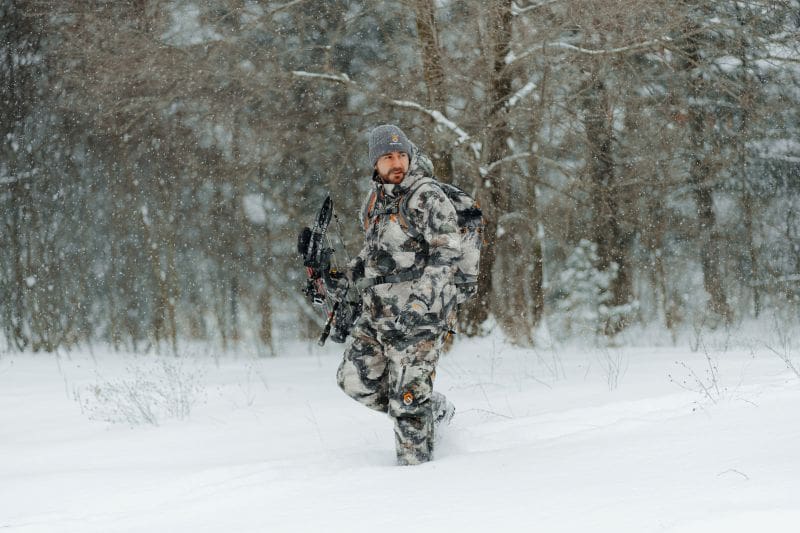
Hunting in rain and snow is similar to hunting in the wind: deer move in light to moderate precipitation, but during heavy downpours and snowstorms, they tend to hunker down in dense cover and wait it out. The Vapour Waterproof Midweight Jacket neutralizes whatever Mother Nature throws at you. It’s the layer I wish I’d had several years ago, when a light, steady rain soaked me to the bone. Unless it’s your only day to hunt, you should probably avoid the times when heavy precipitation is possible.
How Do Day Length And Hormones Affect Deer?
Shortening days and seasonal hormones kick deer into rut, making their movements hard to predict. During the rut, I’ve seen deer in places I would never have thought they would go, like wide-open pastures. Hunting over or near trodden-down deer trails is a great idea, but I’ve had the best luck seeing and harvesting deer from treelines along an open pasture or field.
How Does Barometric Pressure Affect Deer?
One could correctly argue that barometric pressure and cold fronts are closely related. So why are we talking about it again? While they’re related, they’re not the same thing. Barometric pressure can change without a cold front moving through, and rapid changes often trigger deer movement, whereas flat, stagnant conditions usually don’t. So even if a cold front isn’t moving through, don’t be afraid to hunt when the atmospheric pressure is supposed to change.
How To Use This Knowledge To Your Advantage
Most of us don’t get to the stand as much as we’d like. Family and work obligations severely limit how often we go hunting. So, we strive to make the most of each opportunity, and by applying the knowledge above, you’ll do just that.
However, I also want to emphasize that deer hunting isn’t an equation. Every location presents different challenges, and just because something works great in one location doesn’t mean it’s the solution for another. Some spots I hunt are heavily wooded, others are mostly pasture. Some have heavy human traffic (i.e., public land) and others are more secluded.
To ensure you make the most of the information above, I recommend keeping an open mind, but most importantly, learning the land you’re hunting on. When you know where the deer bed, feed, drink, and spend the majority of their time, you can put yourself in the best position possible when the weather changes. You’ll make the most of your time in the woods and will waste fewer days waiting for deer to appear because you know when the deer on your property are least and most active.
Trust The Deer, Not The Forecast
You don’t have to trust the weatherman (we sure don’t in Oklahoma), but you need to think like a deer and prepare for the most likely weather patterns if you want to be successful this season. Understanding how changes in temperature, wind, precipitation, day length, hormones, and barometric pressure affect how deer move on your property is an excellent start.
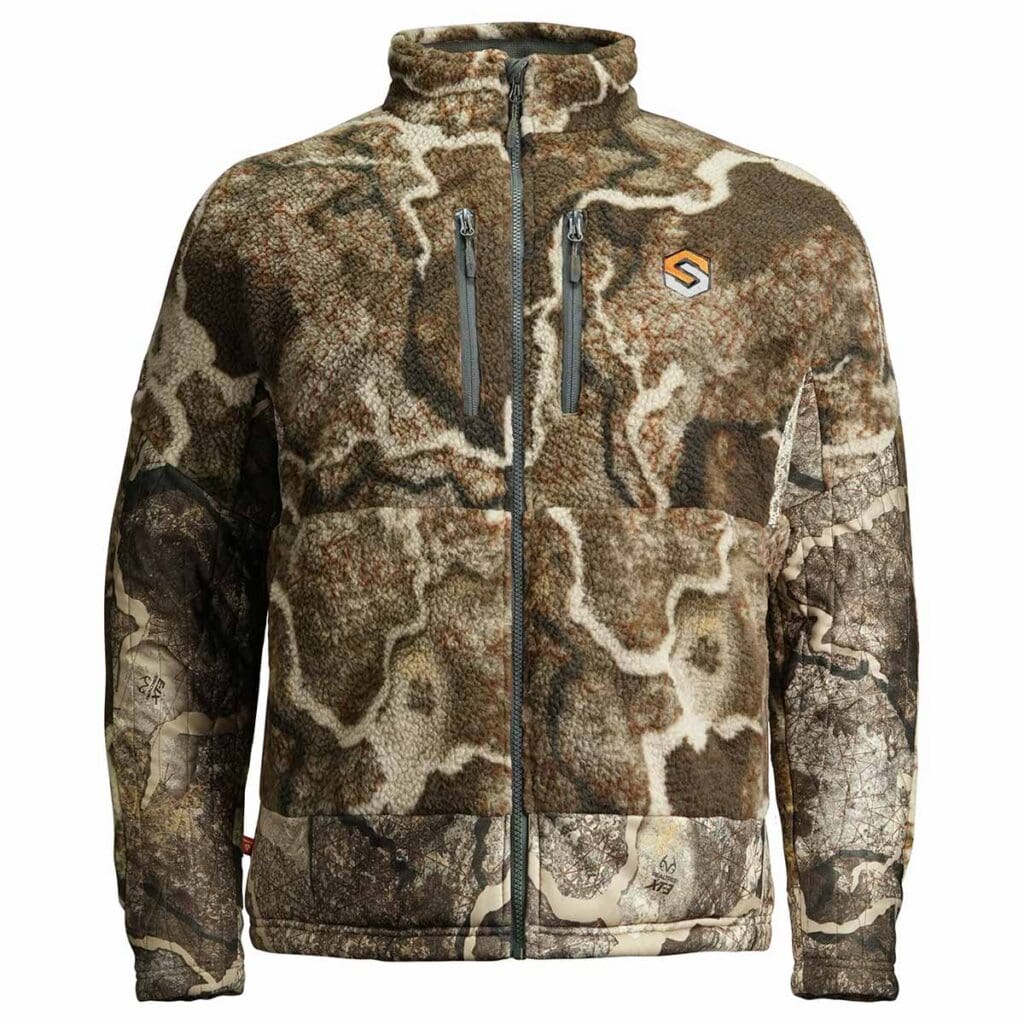
Revenant Jacket FEATURES:
- Carbon Alloy® for maximum odor adsorption
- Thermal-mapped Primaloft® Silver insulation for warmth without bulk and maximum packability (133g in the body, 80g in the extremities)
- WindBrake® windproof design helps to protect against harsh winds
- Berber fleece outer core fabric, ultra quiet fleece extremities for mobility
- Warm grid fleece lining helps achieve windproof build
- Four pocket design for securing all your gear
- Quilted sleeve panels to reduce fabric bulk
- Telescopic Lycra cuffs with thumbholes to lock in scent keep the cold out
- Adjustable waist to lock in heat
- Safety harness access port
SIZES: SM – 3XL
PATTERNS: Mossy Oak Terra Gila and NEW Realtree XT-3
MSRP $349.99
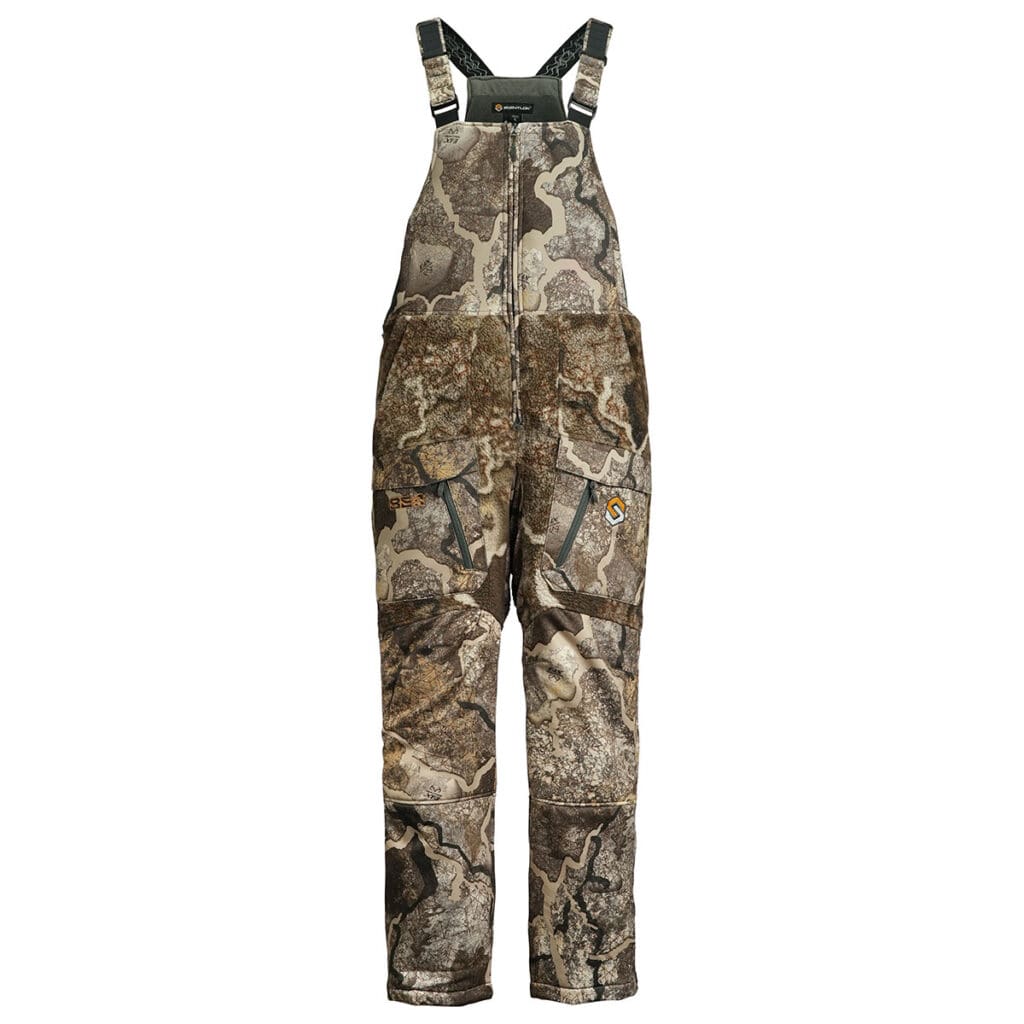
Revenant Bib FEATURES:
- Carbon Alloy® for maximum odor adsorption
- Thermal-mapped Primaloft® Silver insulation for warmth without bulk and maximum packability (133g in the back, 80g in the extremities)
- WindBrake® windproof design helps to protect against harsh winds
- Berber fleece outer core fabric, ultra quiet fleece extremities for mobility
- Warm grid fleece lining helps achieve windproof build
- Eight pocket design for securing all your gear
- Comfort ladder-style adjustable suspenders
- Full-length 2-way side seam zippers
- Articulated knees and inner thigh gusset for mobility
SIZES: SM – 3XL
PATTERNS: Mossy Oak Terra Gila and NEW Realtree XT-3
MSRP $349.99