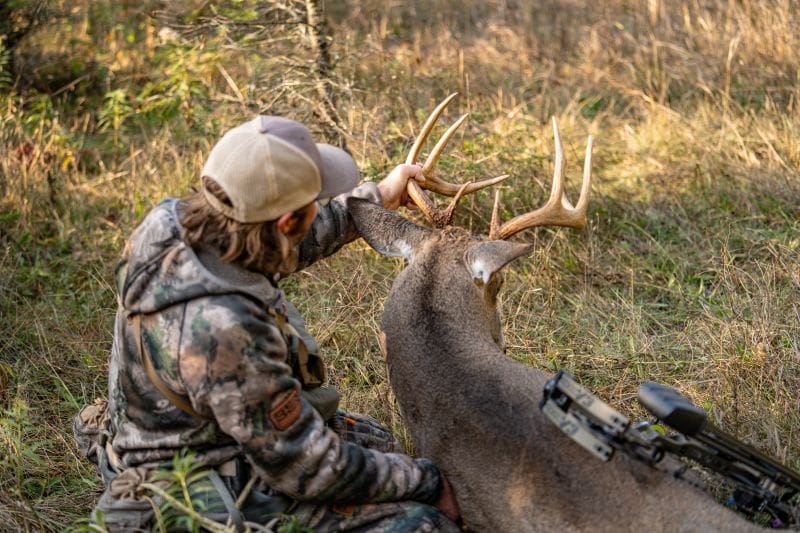
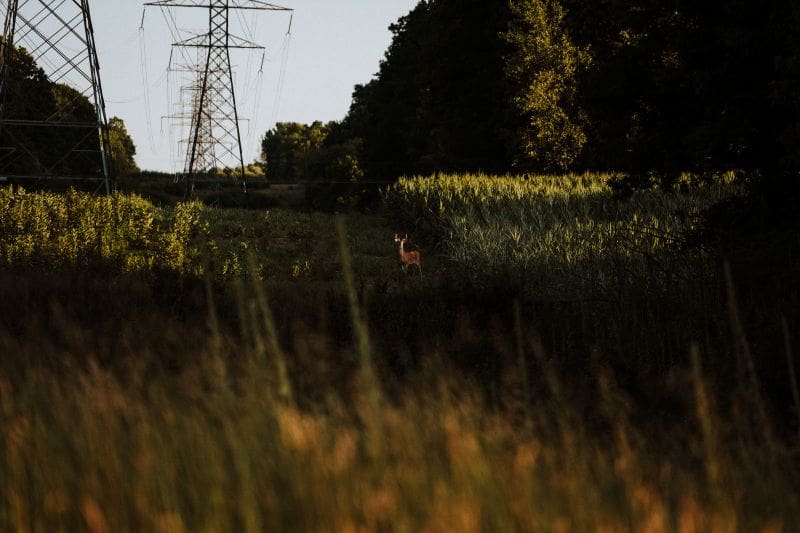
Your best buck of the summer is still showing up on camera. He’s daylighting, you have a good entry route, and the wind is right. The only problem is that it’s September. Do you climb in and hunt him now, or leave him alone and hope he’s still there when October rolls around?
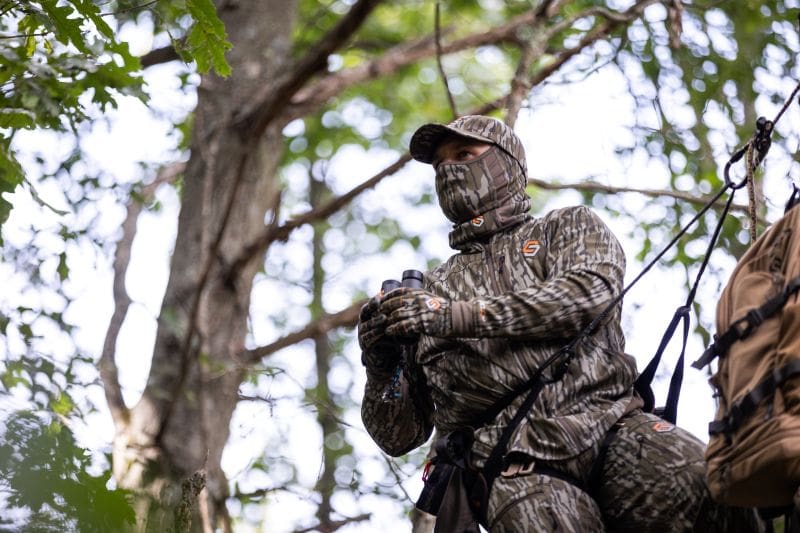
I’ve often heard hunters say they won’t start hunting until the temperatures cool off, the ticks disappear, and they can sit in a tree without constantly swatting mosquitoes and gnats. Then there are hunters like me. If it’s deer season, I’m going hunting, whether it’s 90 degrees or 30. Still, there’s a legitimate dilemma many bowhunters face each September. We spend the summer running cameras, studying maps, checking trails, and trying to figure out where a mature buck is spending his time. Then, when the season finally arrives, we sometimes hesitate to hunt the very deer we’ve spent months trying to pattern.
There isn’t always a right or wrong answer. Every situation is different, and hunting a mature buck always comes with some level of risk. Even when the conditions look perfect, I believe it’s important to consider what you stand to gain and what you could potentially lose before climbing into that tree.
A few years ago, I experienced both sides of that decision. During Missouri’s November firearm season, I shot a mature buck I had only encountered a handful of times. The first time I saw him was during the last week of October. Then, during the first week of firearm season, I caught him chasing a hot doe in the middle of the morning and was able to make the shot.
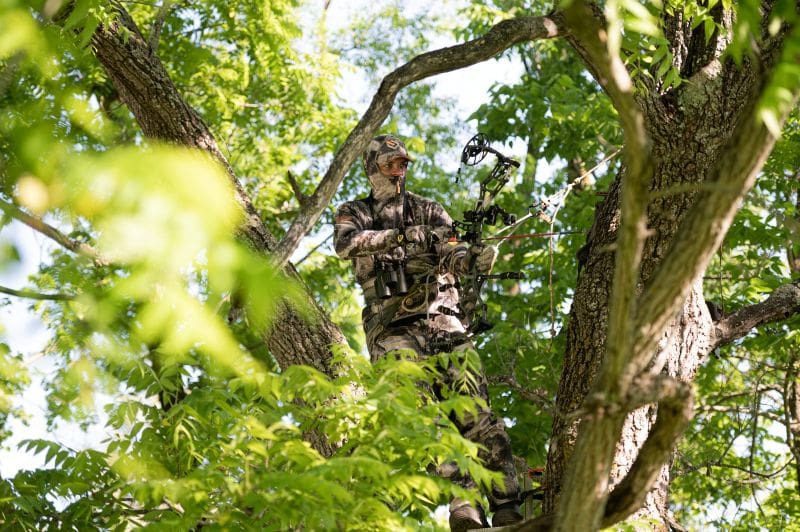
About a week after the harvest, a neighbor down the road sent me a group of summer velvet pictures. He had been watching the same buck all summer. “That was the buck I was waiting on,” he told me. He explained that the buck had been a regular visitor during the summer before disappearing in early October. He had been waiting for him to return, but the buck never did.
That experience has stuck with me. If the conditions are right, I don’t believe in automatically saving a good buck for later. My neighbor’s buck never returned, yet that is not always the case. I’ve had occasions where I hunted a mature buck in late September or early October and was fortunate enough to put my tag on him. Sometimes hunting early pays off. Other times, the smarter decision may be to back out and wait. The key is knowing when the risk is worth taking.
September Patterns Can Be Valuable
One of the biggest advantages of hunting early is that a buck’s September pattern can be much more predictable than it will be later in the season. Food sources are often consistent. Bucks may still be spending time in bachelor groups, bedding in predictable locations, and following fairly regular evening routines. If you’ve got several daylight photos of a mature buck entering a food source from a particular direction, that’s a sign to go hunt him!
But there’s an important distinction between having a pattern and having a huntable pattern. Just because a buck shows up in daylight doesn’t mean you should immediately climb into the tree overlooking his destination. Before getting in my stand or tree saddle, I want to know why he’s there, where he’s coming from, where he’s going, and, most importantly, whether I can get into the area without alerting him.
A buck walking into a food plot at 7:00 p.m. every evening isn’t necessarily an invitation to hunt. If getting to that stand means crossing his bedding area or walking through the middle of where he spends his afternoon, it could be a better decision to wait.
Don’t Hunt A Big Buck, Just Because You Can
This is where self control becomes important, and if you’re like me, it may be a time to go shoot a few does instead of buck hunting. Having a September photo of a big buck can be exciting. Having five or six pictures of him in daylight can be even more exciting. But before hunting, I ask myself one question: can I kill this buck without educating him? If the answer is no, then leave him alone.
There is an old saying among hunters: a big buck doesn’t get old by repeatedly making mistakes. One wrong encounter can change everything. I know this firsthand. In 2023, I had one of the largest bucks I have ever had on camera during the summer. On October 13th, I had the heavy, mature eleven pointer at twelve yards in the timber. At full draw with my bow, I was waiting to squeeze the trigger on my release when the buck cleared an overhanging limb. Before he took the next step, my release went off, slinging my arrow ten feet in front of him. He leaped off into the brush, then disappeared. I didn’t see the buck again until two years later. When bucks have a close or bad encounter such as my hunt, they often begin traveling after dark, shift their bedding area, or completely avoid the area where they encountered human pressure.
Sometimes the First Hunt Is the Best Hunt
On the other hand, there are situations when I believe you should hunt immediately. If I have a mature buck showing up consistently during legal shooting hours, a favorable wind, a clean access route, and a stand location that keeps me out of his normal travel path, I’m not necessarily going to wait for October. The first hunt can be the best opportunity.
Every hunt carries some risk, but the longer you wait, the more things can change. Hunting pressure increases, food sources change, bucks change patterns, and neighboring properties get hunted. When one or more of these occur, a buck that you’ve been watching all summer may eventually disappear from your cameras. I’ve also learned that you can’t kill a buck you’re afraid to hunt. Be aggressive, yet hunt smart.
Let the Wind Make the Decision
Wind is probably the biggest factor in making the decision on whether to hunt or back out. It doesn’t matter how good the buck looks on camera or how badly you want to hunt him. If the wind isn’t right, stay home or hunt somewhere else.
September can give you some excellent opportunities because bucks are often using predictable areas. But those opportunities can disappear quickly if you hunt with the wrong wind. Wait for the right conditions rather than forcing a hunt simply because it’s opening week. That might mean waiting several days for the wind to cooperate. That’s not wasted time, it’s part of the strategy.
Know When to Walk Away
Perhaps the most difficult part of hunting a mature buck early is knowing when to stop hunting him. If you hunt a September buck and don’t see him, don’t automatically go right back in the next evening. After the hunt, take a few minutes to think about what happened. Consider whether the wind was as expected and if you may have bumped deer while making your way to the stand. Look for fresh sign and pay attention to whether the buck has changed his normal route or shifted his movement patterns. Also consider whether other hunters have put additional pressure on the property and influenced deer movement.
Sometimes, the smartest thing you can do after hunting a good buck is leave him alone. One carefully planned and well executed hunt can provide more valuable information than five poorly planned sits.
Should You Hunt Your Best Buck Early
For me, the answer is yes, if the situation is right. I won’t pass up a mature buck simply because the calendar says September. But I’m also not going to burn a great September pattern because I’m impatient. If the buck is daylighting, the wind is right, access is clean, and I have a low impact way to get into position, I’ll hunt him. If those pieces aren’t there, I’ll wait.
The goal isn’t to kill the buck as early in the season as possible. The goal is to harvest him without giving him a reason to change his behavior. September gives bowhunters something we don’t always have later in the season: information. Bucks are often still following summer patterns, and trail cameras can provide an incredible amount of information about where and when they’re moving. But information is only valuable if you use it wisely. Sometimes that means climbing into the tree on opening morning. Other times, it means putting the bow back in the case, walking out and waiting for a better opportunity. The biggest buck you’ve found all summer doesn’t care what month it is. He only cares whether you make a mistake.