The Details That Matter Most When You’re Hunting Close
October is one of my favorite times to be in a tree with a bow in my hand. Deer are moving between food sources and bedding areas, bucks are beginning to establish patterns, and the woods are full of opportunities. But October bowhunting also presents a challenge that can make or break the hunt. It all comes down to getting close enough to a deer without giving it a reason to leave.
When a mature whitetail steps into bow range, there isn’t much room for error. You can choose the right tree, study the wind, and spend hours figuring out where a buck is traveling, only to watch the entire plan fall apart when a deer catches a whiff of something that doesn’t belong. That’s why I believe scent control deserves attention long before a hunter ever reaches his stand.
Most bowhunters understand the importance of playing the wind. What sometimes gets overlooked are the smaller details that can introduce human odor into an otherwise well planned hunt. October is a good time to take a closer look at those details, especially when deer are moving through close quarters, and an encounter can happen before you have time to react.
Before The Hunt
One of the first places I put focus on is my hunting clothing. Scent control doesn’t begin when I pull into the parking area or when I get out of my truck at my family friend’s farm. It starts with how I prepare my gear before the hunt. One of my first jobs in the hunting industry was with a top manufacturer of scent elimination. During my eight years with that company, I learned and experienced a lot about fooling a whitetail’s nose. Unfortunately, one of the most significant things I learned was that trying to get a deer not to smell a human is hard. But it can still be done effectively if you pay attention to details and use a Complete Odor Management system. The first step in scent elimination is washing your hunting clothes with a scent control detergent. Next, store them in a clean environment, and keep them away from everyday odors. Over the years, I have used giant plastic bags, rubber totes, and many other types of bags that were designed to keep odors out. When I discovered carbon alloy bags from ScentLok and combined them with an ozone generator, I felt like I had leveled up my storage game. I also pay attention to where my clothing goes between hunts. Leaving a hunting jacket draped over a chair in a house or in the backseat of a truck can introduce cooking and pet odors, as well as other everyday smells that can make the effort you put into eliminating scent a waste of time.
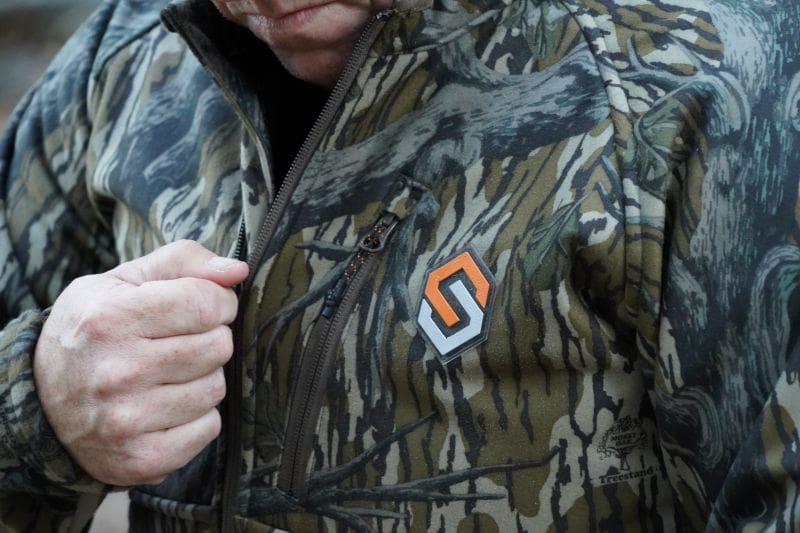
This is where ScentLok fits into my approach. Scent control clothing such as carbon alloy from ScentLok provides another layer of odor management, helping to eliminate the odors that I can control before entering the woods. The goal isn’t to assume that specialized clothing makes human odor disappear. It’s to reduce the amount of odor I’m carrying and manage it as consistently as possible. However, wearing ScentLok has been my longest scent control tactic in my close to thirty years of deer hunting. The same attention needs to extend beyond the clothing itself. Boots, gloves, hats, backpacks, and other gear can all carry odors. It’s easy to wash a base layer and outer jacket while overlooking the equipment that spends just as much time in the woods. I try to think about my entire hunting setup rather than treating scent control as something that involves only the clothes.
Getting dressed is another detail worth considering. The fewer unnecessary stops I make between getting ready and reaching my hunting location, the easier it is to maintain a consistent routine. I want my hunting clothes to stay clean and practical. I avoid handling them with my hands that have been exposed to fuel, food, or other strong odors. None of these steps guarantees a deer won’t smell me, but they help eliminate avoidable mistakes.

Walking In
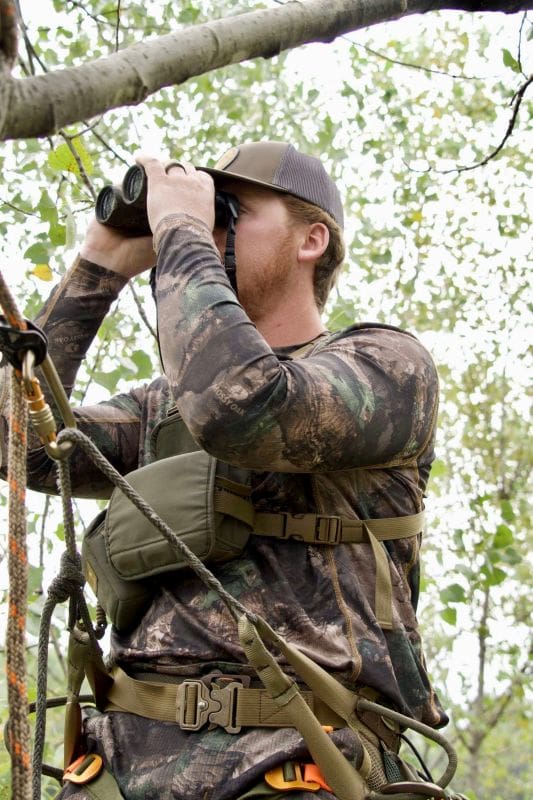
Then there’s the walk to the stand. October mornings can be cool enough to make a hunter want to move quickly, especially when there’s a good chance of encountering a buck on the way in. But arriving sweaty and overheated isn’t ideal. Excessive body heat can leave clothing damp and make the first minutes of the hunt after getting set up more uncomfortable. I try to give myself enough time to walk at a steady pace, carry only what I need, and settle in without rushing. I also consider the route itself. Walking through thick vegetation, brushing against leaves, and pushing through cover can transfer odors to clothing and equipment. More importantly, a careless approach could put me into a position where deer are already moving nearby. Scent control is valuable, but it works best as part of a larger plan that accounts for wind, access, and the location of deer. Once I’m in the tree, the little things still matter. I keep unnecessary movement to a minimum, avoid handling equipment more than needed, and make sure my bow, release, and other gear are positioned where I can reach them quietly. When a deer walks in, I want to be thinking about the shot, not fumbling through my pack or making unnecessary movements.
Bowhunting at close range is a game of details. A deer might be feeding beneath you, completely unaware of your presence, while a deer in the distance could pick up your scent and disappear before you ever see it. Wind direction remains an important consideration, and no scent control system can guarantee that human odor won’t reach a deer. That’s precisely why I believe in controlling the things I can rather than relying on any single product or tactic to do all the work.
After The Hunt
The same mindset carries over to how I handle my gear after a hunt. Keeping clothing and equipment clean, storing them properly, and preparing for the next outing are all part of the process. Scent control isn’t a last minute step taken in the truck. It’s a routine that continues from one hunt to the next. When I get back to my truck or back to camp after the hunt, my hunting clothes and gear immediately go back into my ScentLok bag, ready for the next hunt, without having to repeat all the scent elimination steps.
The Hunt
October is an exciting month for bowhunters because opportunities often develop quickly. A buck that has been appearing on a trail camera picture after dark might suddenly move during daylight, or a doe and her fawns might feed within easy bow range before the woods fully wake up. Those encounters don’t always give us time to correct a mistake. I can’t control every variable when hunting whitetails. I can’t predict every wind shift, or know exactly where every deer will travel. And there is no guarantee that a buck will offer a shot. But I can prepare my clothing, manage the odors on my gear, plan my access, and make thoughtful decisions before climbing into a tree. When a deer finally steps into bow range, those small decisions can matter. Scent control won’t replace good woodsmanship, careful access, or paying attention to the wind, but it does complement them. And when the opportunity of the season comes at close range, I’ll take every advantage I can get.