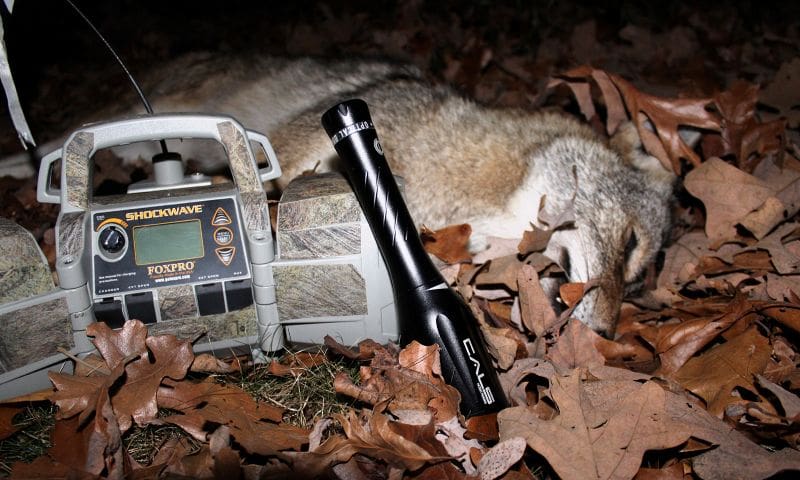
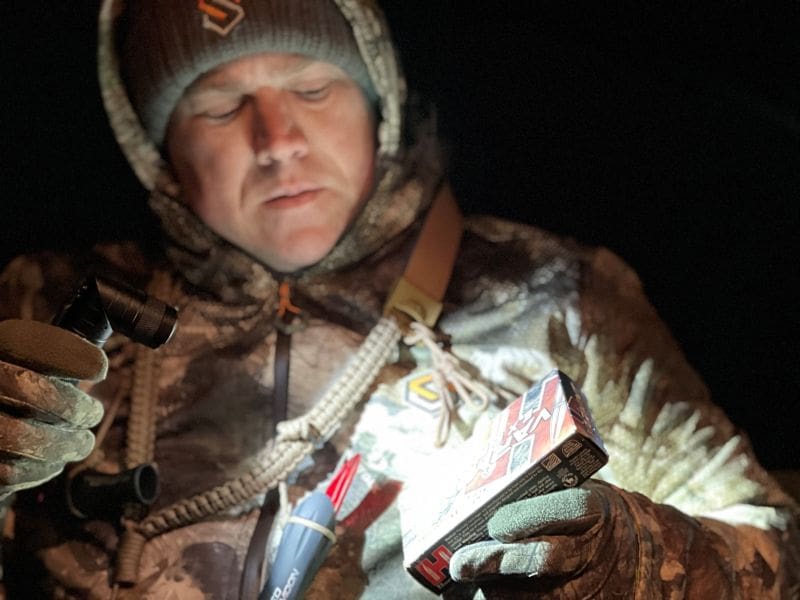
February and March are typically cold, wintry months across much of the country. However, for predator hunters, late winter is when things really start heating up. February and March may be cold, but they are also some of the best months of the year to hunt coyotes, especially at night.
For many years, my home state of Missouri prohibited the use of any artificial light, night vision, or thermal imaging optics when coyote hunting. Basically, that meant it was impossible to hunt at night. From my experience hunting in other parts of the country, I have found that night hunting coyotes in the peak of winter can be an epic experience. This is why, when Missouri legalized thermals and artificial lights a few years back, I was stoked to expand my hunting and calling opportunities as a predator caller.
My expectations of night hunting have been surpassed. On several occasions, my wife and I have hunted together, calling in coyotes on many different occasions. For us, the thrill is unmatched, the chances of calling in a coyote increase dramatically, and it simply gives us more time to hunt together. However, that is not the only reason night hunting coyotes in late winter is one of the best times to hunt.
Breeding Season Brings Movement
Late winter marks the peak of the coyote breeding season. From mid-January through early March, coyotes pair up, defend their territories, and cover more ground than usual. That increased movement makes them more responsive to calls and more likely to expose themselves in open terrain, and in my experience, they are more vocal, especially in the middle of the night.
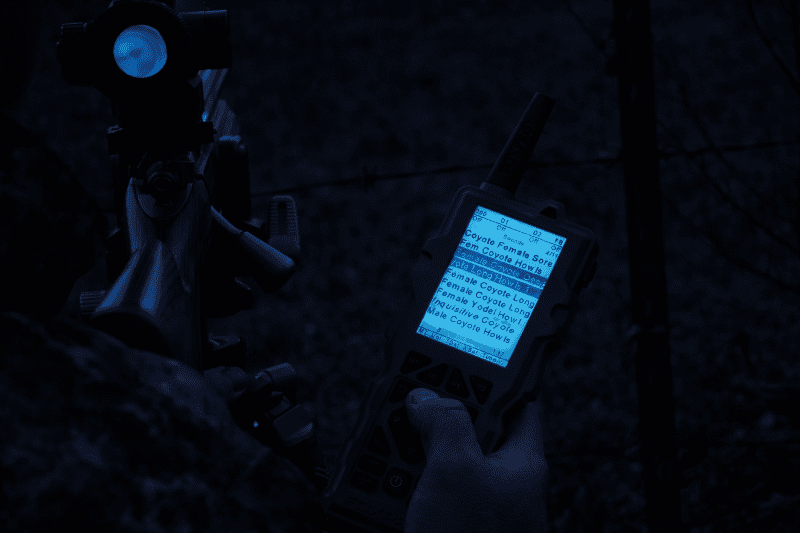
Territorial vocals become extremely effective this time of year. Lone howls, interrogation howls, and pair howls can trigger strong responses from dominant coyotes looking to protect their turf. Even young coyotes are more vocal, which helps to pinpoint their location before you ever hit the call.
After hunting in another state, I witnessed the whining, chirping, and howling of female coyotes that were obviously being pursued by one or more male coyotes. At 10:00 p.m., the fields that bordered where we had been hunting the previous day lit up with the incredible vocals of February breeding coyotes.
Later that week, after spending three straight days hunting together, our group called in nearly 20 coyotes. The key to our success was using the same breeding sounds that we had heard throughout the night. When we focused on vocals rather than the typical squeal of a rabbit, our success rate increased.
Hunger Drives Aggression
I know I just mentioned using vocals more than distress sounds, but that doesn’t apply every time you hunt. In fact, February can be tough on wildlife, including coyotes, as they try to stay warm. Food sources are limited because small game populations are low. When the ground is frozen or covered in snow for several days, coyotes quickly become lean, and hunger makes them bolder. Especially when hearing a hunter calling.
Prey distress sounds, especially rabbit, rodent, or even fawn distress in some regions, can be deadly during this stretch. When temperatures dip and calories are scarce, coyotes are much more willing to commit to a call instead of circling endlessly out of range. The sound of injured or distressed prey is the same as ringing a loud dinner bell, signaling to come and eat!
Better Visibility at Night
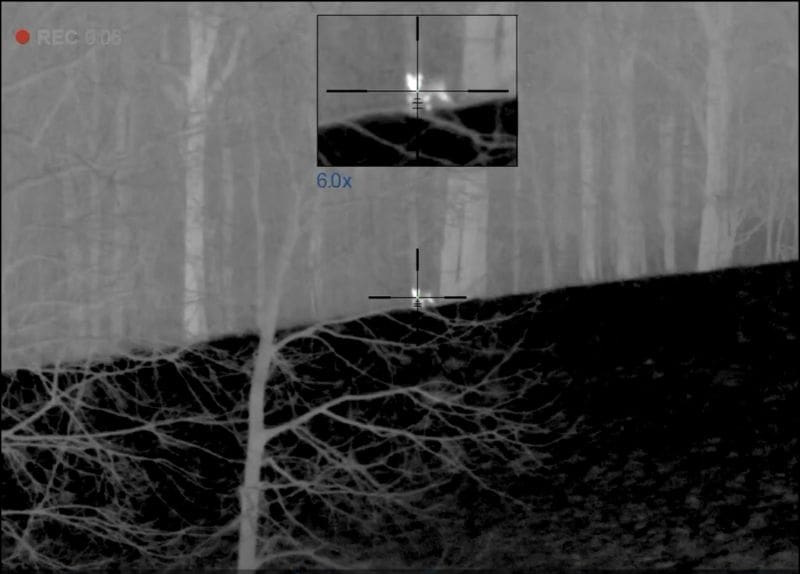
Another major advantage of late winter night hunts is visibility. With foliage gone and crops harvested, the sight lines are clearer across fields, pastures, and timber edges. Thermal and night vision optics shine this time of year because there’s less vegetation to block the view. It is easier to detect approaching coyotes sooner and make cleaner shots. A fresh snowfall is also an excellent time to night hunt; a white background makes it easier to see predators with the naked eye, and they show up better in thermal scopes.
Cold air is also more stable, which can improve sound transmission. Calls can reach farther, and you may hear distant responses you’d otherwise miss during warmer months. On cold, crisp nights, start a calling sequence at a lower volume than normal. Sound carries much farther, and you don’t want to sound like a five-hundred-pound rabbit squealing. Coyotes will balk at responding when the sounds are too loud.
Less Pressure, Smarter Setups
By February, some casual predator hunters have packed it in. Especially when temperatures drop into the single digits, and snow is on the ground. Only the die-hard hunters are still out in the middle of the night, when they could be backed up to a heater or wrapped up in a warm bed at home. That means less pressure to call in many areas. Coyotes that have been educated during deer season or early winter may have had time to return to more natural routines.
Night hunting adds another layer of advantage. Coyotes are naturally nocturnal and feel more comfortable moving under the cover of darkness. With proper wind setup, quiet access, and disciplined calling sequences, you can catch them doing what they’re wired to do on many occasions, even more than when hunting or calling during daylight hours.
Prime Fur (If That Matters to You)
If you care about pelts, late winter is typically when coyotes carry their thickest, fullest fur. Cold weather produces prime coats, and February is often the sweet spot before shedding begins in early spring.
February and March aren’t just filler months between big game seasons; they’re opportunity months. Breeding behavior increases movement and aggression. Hunger makes coyotes commit. Open terrain improves visibility. And night hunting plays directly into their instincts.
If cabin fever is starting to set in, grab your calls, check the wind, and slip into the dark. Late winter just might offer some of the most exciting predator action of the year.