
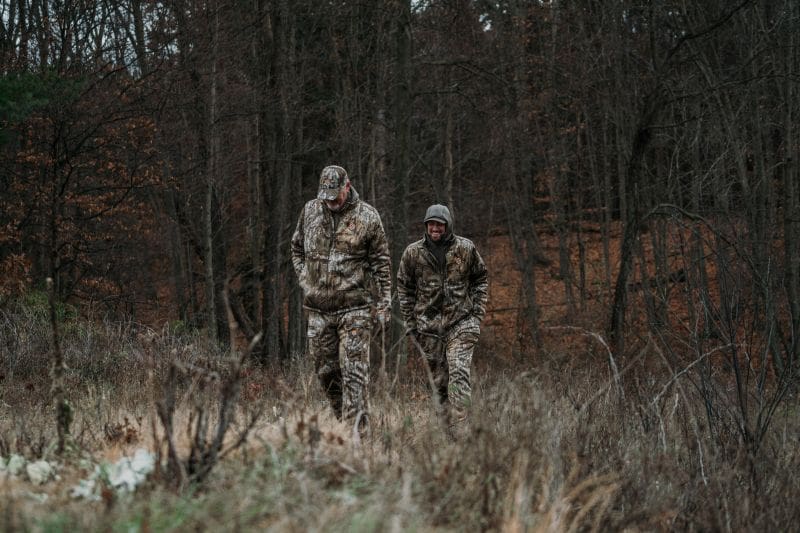
When the final tag is filled, and the woods grow quiet, most hunters mentally close the book on deer season. But for those serious about consistently finding and killing mature bucks, the question now becomes, what can I do to improve next year?
January and February might be the most crucial months of the year. The post season period provides something the fall never offers which is honest intel. With pressure eased and signs clearly visible, winter scouting shows how deer actually use the landscape and where they move, rather than how we hope they do.
What you learn and put into action now has a direct impact on next season, from early season opportunities to your best rut setups and overall effectiveness in the fall.
Why Post Season Scouting Works
As hunting pressure fades, deer fall back into more consistent, survival driven routines. Their movement revolves around food, bedding, and the travel routes connecting the two. Post season scouting gives you a clear look at how deer use the landscape when they aren’t being disturbed. Tracks in snow or mud reveal natural movement patterns, and with vegetation gone, sign like rubs, scrapes, beds, and trails stand out far more clearly than they do during the season.
Hunters can identify primary bedding areas, especially those preferred by mature bucks; find the travel routes between these beds to late season food sources; and watch how deer move under different levels of pressure. It’s also a good time to find ideal stand trees and plan safe access routes without causing disturbance. Winter scouting isn’t about chasing where deer were last season. It’s about figuring out why they used those spots and applying that knowledge to cut them off next fall.
Reading the Sign That Matters
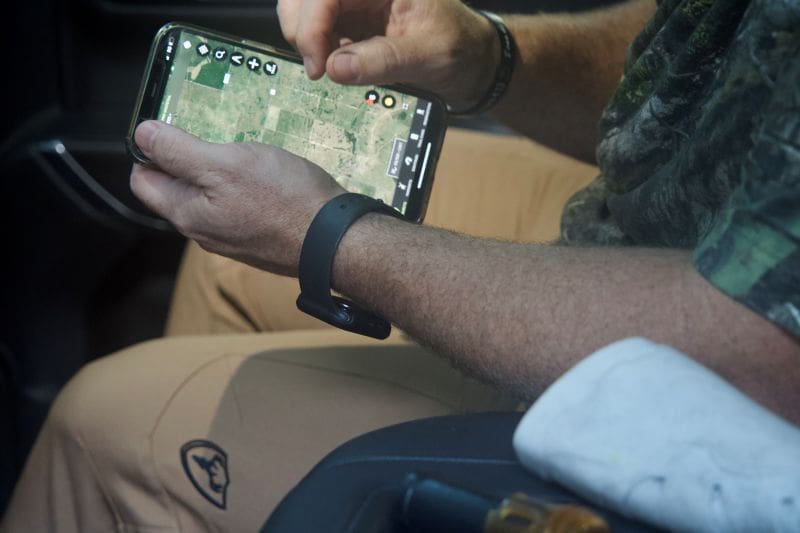
Not all sign is created equal in January and February. The priority should be sign tied to consistent, repeatable behavior, with bedding areas at the top of the list. Winter conditions make beds easy to spot, especially on south facing slopes, ridge points, steep terrain, and thick cover close to food. Beds that offer both wind advantage and good visibility are often used by mature bucks. Mark these locations in your GPS app or scouting notes and pay attention to how deer enter and exit the area.
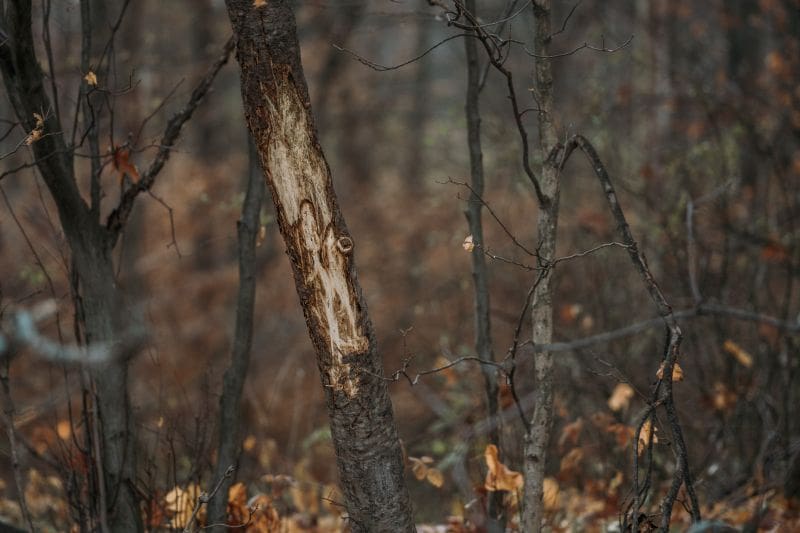
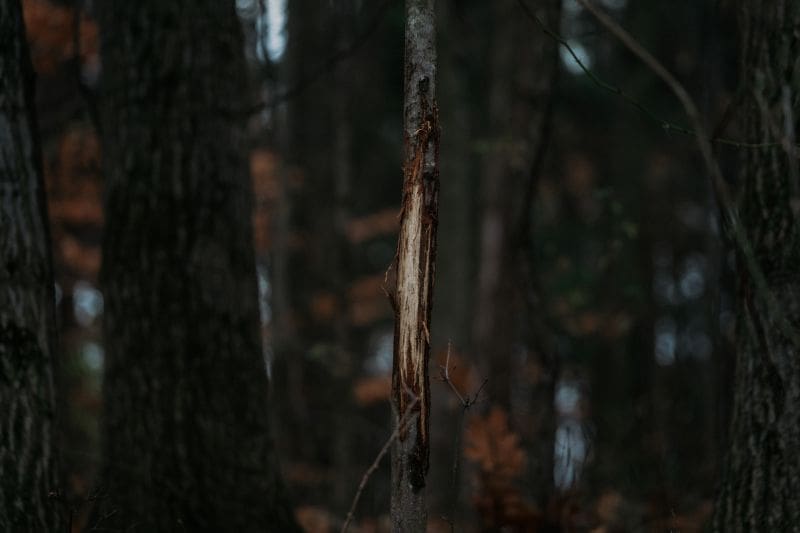
Rub lines are another valuable piece of post season information. A single rub doesn’t mean much on its own, but clusters of rubs or rubs lined up through an area deserve a closer look. When those rubs follow terrain features like ridges, benches, or creek crossings, they often point to long established travel routes deer rely on year after year.
Large rubs in secure cover often indicate daylight movement zones and are usually made by mature bucks, making them worth targeting early in next year’s season.
Late season food sources, whether it’s standing beans, cut corn, brassica plots, or overlooked browse, during winter, after the season has ended, reveal where deer must be. Even if that food is gone by fall, trails leading to it often double as rut travel routes later in the year, showing where you need to hunt next year to get close to a big buck.
Access Planning – Winning Before the Hunt Begins
January is the time to walk everywhere you’re afraid to go in October. My family and I love being out after the season and using the same grounds that I have hunted during the past months as a hiking or walking trail. While it is great exercise and fun for the family, it is also a good time to observe deer sign that can help the following season.
Post season scouting is the ideal time to refine your approach strategies. It lets you test quiet entry and exit routes and identify terrain features that help you stay hidden from deer bedding areas. You can find natural travel corridors like creek crossings, ditch lines, and other low impact paths just by walking around in the woods. While observing off season sign, you should also mark routes that reduce skyline exposure or noisy cover. Taking the time to plan these details sets you up for a more successful hunt in the future.
Smart access often makes the difference between seeing a mature buck and educating him. If you can’t get to a stand without alerting deer, it’s not a good stand, no matter how much sign is telling you otherwise.
Habitat Evaluation and Improvements
Winter also reveals weaknesses in the habitat. You can see where cover is scarce, where deer are forced into daylight movement, and the small changes that could influence their patterns. This might include hinge cutting or edge feathering to improve bedding security, identifying locations for future food plots or cover, noting invasive species or over browsed areas, and watching how deer move between thick and open cover. You may not be able to fix things right now, yet, understanding how habitat affects deer movement gives you a clear edge when picking next year’s stand locations.
Translating Winter Intel to Fall Success
One of the biggest mistakes hunters make is scouting in winter without applying those findings throughout the season. The key is understanding not just where deer are, but when and why they use these areas. In the early season, focus on beds near food and low impact access routes that you identified during winter as the pre-rut approaches. Travel corridors and rub lines between bedding areas become the best stands when trying to find a place to hunt during the rut, places with funnels, pinch points, and terrain features that were discovered. At the same time, post season scouting often provides you with the best results. By late season, food focused setups reflect the patterns you observed in January. In short, winter scouting creates a year round playbook, not just a collection of a few stand locations.
Gear Prep For Next Year
January and February are also ideal months to fine tune your system rather than scrambling to fix it later. Use the off season to remember what worked and what didn’t in your clothing and gear setup, repair or replace worn boots, packs, and safety equipment, and consider upgrading tree saddles, treestands, or other mobile setups. Organizing your hunting gear now ensures you can hunt efficiently and quietly from day one. Having confidence in your equipment allows you to focus entirely on the hunt.
The Big Picture Pays Off
The most successful hunters aren’t always the ones logging the most hours in the stand. They’re the ones putting in the work long before the season ever opens. January and February favor hunters who are willing to step back, study the whole picture, and gain clarity rather than settle for comfort. When opening day arrives and you slip into a stand with total confidence, knowing where deer bed, travel, and how to get in undetected, you’ll get the true benefit of the post-season. Fall success is built during winter. The work you do now sets the foundation for everything that follows.