
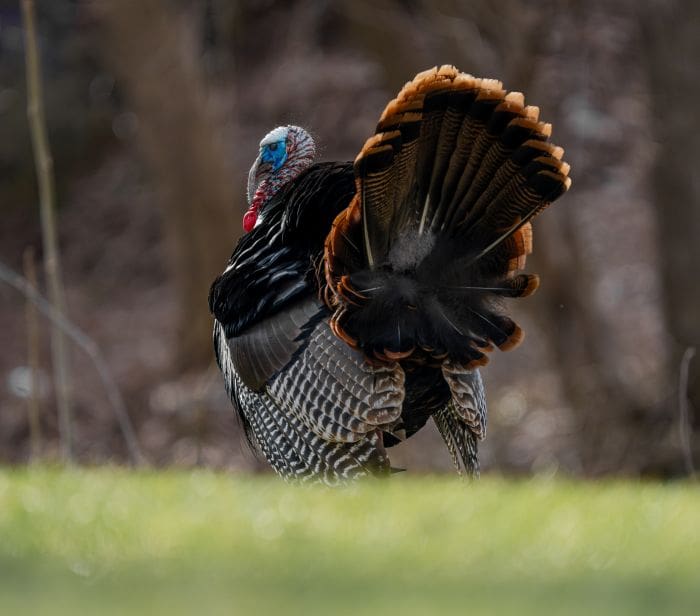
As a young teenager, learning from my grandfather how to turkey hunt, I would often observe his tactics. The early morning gobble typically gets all the attention, but seasoned turkey hunters like my grandfather knew the truth. I recall getting aggravated with him during his later days of hunting because I was ready to go out well before the crack of dawn, whereas he preferred to sleep in and go out later in the morning. “Some of the best hunting action happens after the woods go quiet,” he would say.
After my grandpa had to give up turkey hunting because of his health, I stuck to early mornings for years. Now, thirty years later, I realize he understood more than I did back then. Gobblers really can be easier to work later in the morning, and as you get older, the idea of sleeping in a bit, enjoying some coffee and breakfast, and letting the woods settle before heading out starts to sound pretty good too.
Once fly down excitement fades, and hens slip off to nest, gobblers are often left alone, and that’s when late morning magic takes over. If a hunter is willing to slow down and hunt smart between 9 a.m. and early afternoon, two overlooked hotspots that often don’t get the recognition that they deserve can put you in the driver’s seat. They are strut zones and dusting areas.
Why Midday Works
By mid-morning, most hens have bred and drifted away to lay eggs. Gobblers that were henned up at daylight suddenly find themselves alone and looking for love.
After hunting in the deep river bottoms for the first two hours of the morning and getting whipped by hens that took away my chances of calling in a mature tom, I made the long walk back to my truck, with my head down, discouraged. Once I made it back and began driving out of the property, I had in my mind that I wasn’t ready to give up just yet. On top of the steep river country bluff was a large cattle pasture that seemed to be where gobblers like to go later in the morning. In years past, I didn’t have the chance to hunt later because of work engagements. However, this morning I had extra time. So, I parked nearby and made my way to a well known midday strut zone.
As I approached the grassy field area, I heard a gobble that sounded like the tom was exactly where I had anticipated. I quickly made my way to the break of the hill, hoping he would be close when I finally peeked over. As I had hoped, the tom answered a nearby crow, revealing he was only 60 yards over the hill. With no trees large enough to sit by, I lay on my stomach, in the dirt, on the two-track road, and placed my gun in position. With a diaphragm call, I made a soft yelp, which was immediately cut off by a thundering gobble. A few seconds later, two mature toms came strutting over the hill. With no hens in sight now, they came right to me, and I was able to make the shot at 28 yards.
Instead of sounding off from the roost or responding to aggressive calling, late morning toms often travel predictable routes, checking areas where they’ve historically gone to find hens.
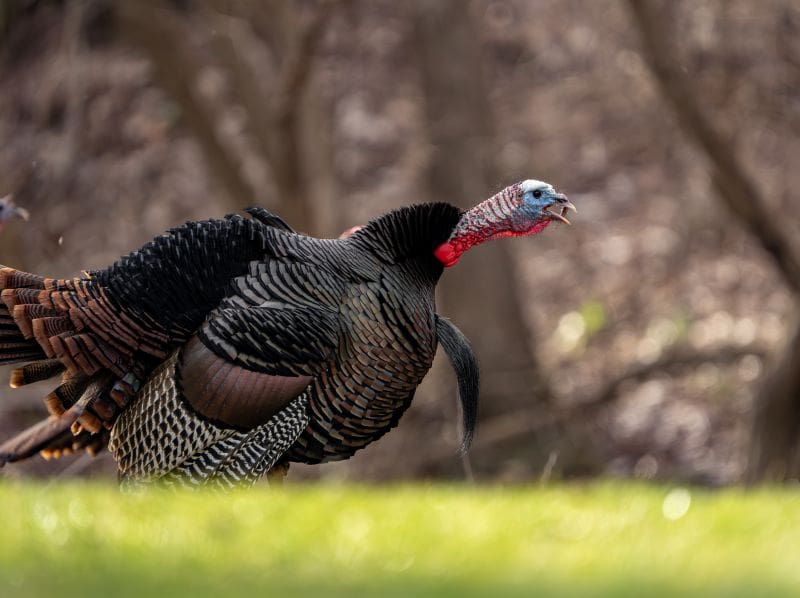
Strut Zones
A strut zone is exactly what it sounds like, a place where gobblers feel comfortable showing off. These are often open, visible areas where a tom can be easily seen and heard while displaying to hens. Some of the most common strut zone features include field edges, logging roads, ridge tops, and flats in open timber. On my hunt, the open pasture area was where the two toms went after the excitement of the morning had died down. These spots aren’t random. Gobblers return to them because they’ve worked in the past. Hens know where to find a strutting tom, and toms know hens will eventually pass through.
Even though I stumbled on two toms in their midday strut zone, late mornings are a great time to set up and wait. If you’ve scouted fresh tracks, droppings, or wing drag marks, you’re in the right place. If you have hunted these areas in years past, use minimal calling, such as soft yelps or clucks, and wait it out. Try to set up in the shade with good visibility and consider using a single hen decoy or even no decoy at all. A lonely gobbler cruising through may not gobble much, but he’ll investigate the areas that he knows a hen is going to be
Dusting Areas
While strut zones get some attention, dusting areas remain one of the most underutilized setups in turkey hunting.
Turkeys dust to maintain feather health and remove parasites. These spots are often used repeatedly, sometimes by multiple birds, and they’re especially active late in the morning as birds wind down from early activity.
Look for dusting areas in:
- Sandy patches along logging roads
- Dry creek beds
- Field edges with loose soil
- South facing slopes with exposed dirt
You’ll recognize them by shallow depressions in the soil, often surrounded by tracks and feathers.
Why they matter:
Dusting is a relaxed, vulnerable behavior. Birds feel safe there. That means if you can set up nearby without being detected, you’re in a high confidence zone where turkeys are likely to linger.
How to hunt them:
- Slip in quietly and set up within 20–30 yards of the dusting site
- Avoid overcalling – Soft purrs and clucks are plenty
- Be patient; birds may arrive silently
This is a perfect ambush scenario. Many times, you won’t hear a gobble; you’ll just see a red head appear.
Combining the Two for Success
In some areas, strut zones and dusting sites overlap or sit close together. A logging road that cuts through open timber might serve as both a display area and a dusting location.
If you can identify a spot that offers both, you’ve found a late morning honey hole.
Scouting Is Everything
You won’t stumble into these places by accident; not consistently, anyway. Late season success depends on preseason and in season scouting.
- Look for tracks, droppings, and strut marks
- Glass open areas from a distance
- Use trail cameras where legal to confirm midday movement
- Pay attention to where birds go after fly-down; not just where they start
The more you understand their daily loop, the easier it becomes to intercept them when they’re most vulnerable.
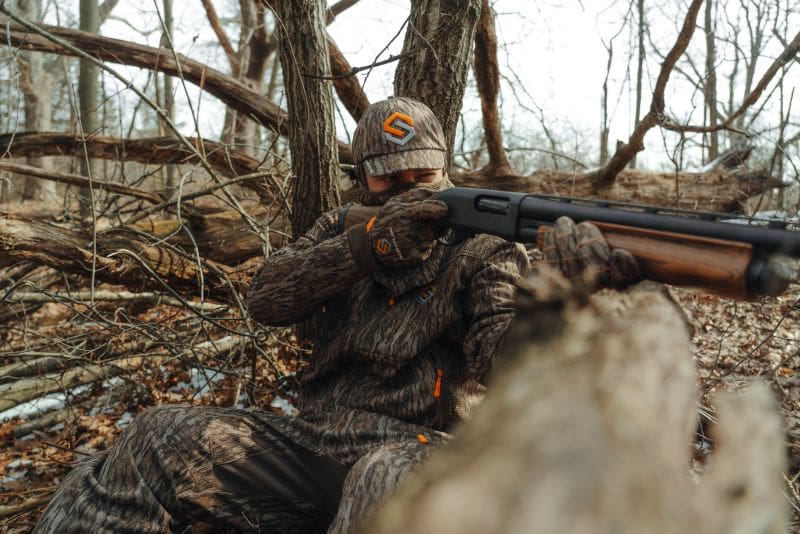
Patience Pays Off
Late morning hunting isn’t about covering miles; it’s about confidence in your setup. When you’re sitting over a proven strut zone or dusting area, you’re not hoping a gobbler shows up; instead, you’re waiting on one that eventually will. Stay longer than you think you should. Many hunters head back to the truck just before things get good.
Strut zones and dusting areas aren’t just random features; they’re part of a gobbler’s daily routine. Learn them, trust them, and hunt them with patience. Because when late morning rolls around and a longbeard slips in silent, those are the moments that define a season, and the stories worth telling.